There’s nothing worse than pulling out your favorite cozy blanket on the first chilly night of the season — only to be hit with that unmistakable damp, stuffy smell. Musty blankets and pillows are a surprisingly common problem, but the good news? They’re almost entirely preventable. With a few smart storage habits, your bedding can come out of storage just as fresh as the day you tucked it away.

Why Blankets and Pillows Go Musty in the First Place
Before fixing the problem, it helps to understand it. Mustiness comes from moisture — specifically, from mold and mildew spores that thrive in damp, low-airflow environments. Common culprits include:
- Storing bedding while it’s even slightly damp after washing
- Airtight plastic bags that trap humidity inside
- Dark, warm closets with poor air circulation
- Seasonal storage in basements or attics where temperature swings cause condensation
The fix starts before you even fold that first blanket.
Step 1: Always Start with Completely Clean, Dry Bedding
This is the golden rule. Never — ever — store blankets or pillows that haven’t been freshly laundered. Body oils, sweat, and even invisible moisture create the perfect breeding ground for mildew during long-term storage.
- Wash everything on the warmest setting the fabric allows
- Run bulky items like pillows through two spin cycles to remove hidden moisture
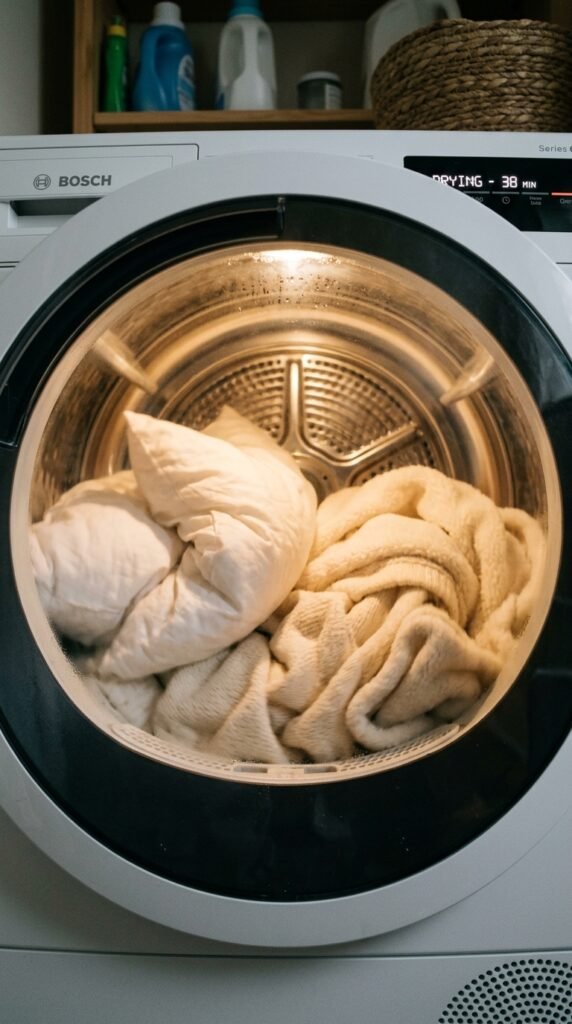
- Dry thoroughly — then let items air out for an extra hour or two before folding
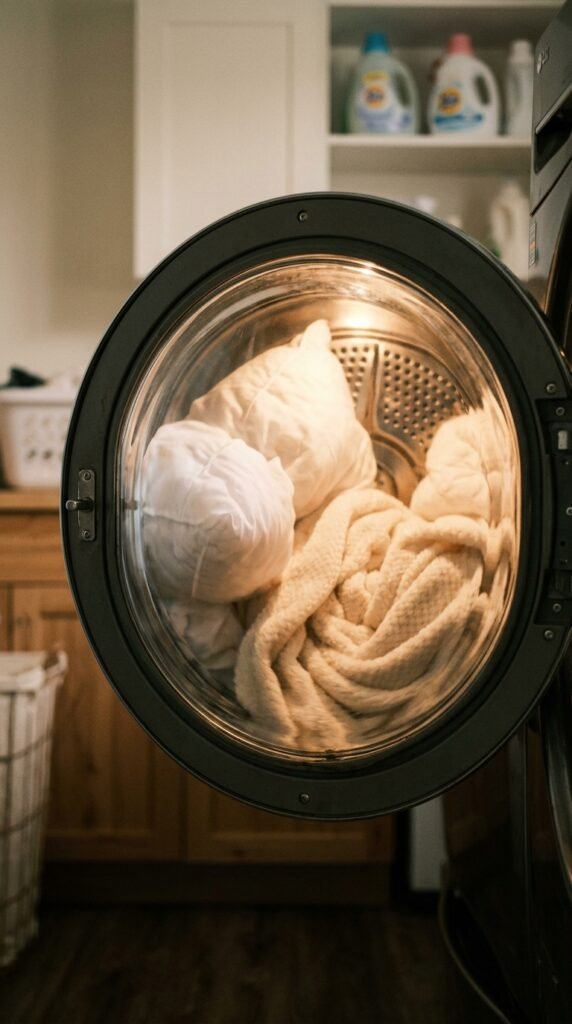
If you’re storing down or wool items, consider a professional dry clean before putting them away for the season.
Step 2: Choose the Right Storage Container
Your choice of container makes a massive difference. Here’s a quick guide:
- ✅ Cotton or linen storage bags — breathable, moisture-resistant, and gentle on fabrics
- ✅ Woven baskets with lids — stylish and allow airflow
- ✅ Cedar chests — naturally repel moths and absorb odors
- ❌ Airtight plastic bins — trap humidity and accelerate musty smells
- ❌ Vacuum seal bags for long-term storage — compress fibers and hold in any residual moisture
If you do use plastic bins (for dust protection in a garage, for example), toss in a few silica gel packets to absorb excess moisture.
Step 3: Add Natural Odor Absorbers
Think of these as your secret weapon against that musty smell. Natural options work beautifully without leaving any chemical residue on your bedding:
- Lavender sachets — smell amazing and naturally deter insects
- Cedar blocks or balls — absorb moisture and keep moths away
- Baking soda pouches — a budget-friendly odor absorber
- Activated charcoal bags — highly effective for enclosed spaces
Tuck one or two of these inside your storage container, nestled between layers of folded bedding.
Step 4: Pick the Right Storage Location
Where you store your blankets matters just as much as how. The ideal spot is:
- Cool and dry — basements and attics are the worst offenders for humidity swings
- Away from exterior walls — these walls collect condensation in cold months
- Off the floor — elevate bins or use shelf storage to improve airflow underneath
- Out of direct sunlight — UV exposure can fade and weaken fabric fibers over time
A hallway linen closet or an under-bed storage solution in a climate-controlled bedroom is often your best bet.

Step 5: Refresh Before Use Every Season
Even perfectly stored bedding benefits from a quick refresh before you put it back on the bed:
- Air it out on a clothesline or over a chair for a few hours
- Toss it in the dryer on low heat with a dryer ball for 15–20 minutes
- Spritz lightly with a fabric refresher or diluted essential oil spray
This removes any faint storage smell and fluffs the fibers back to life.
Keep Your Bedding Fresh All Year Long
Musty blankets are a storage problem with a completely solvable solution. Clean thoroughly, store breathably, add natural fresheners, and choose the right location — and you’ll never dread pulling out your seasonal bedding again.
Save this guide for your next seasonal refresh — and share it with anyone who’s ever unfolded a blanket and immediately wished they hadn’t!