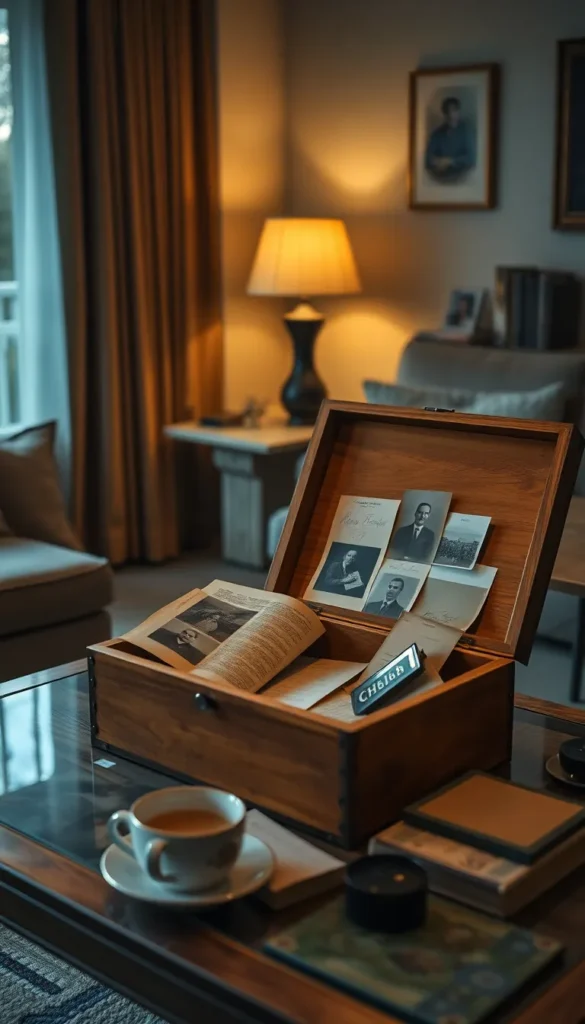
Let’s be honest — decluttering your closet? Easy. Decluttering a box of your grandmother’s teacups or your child’s first drawings? That’s a whole different emotional journey. Sentimental clutter is the hardest kind to tackle because every item carries a memory, a person, or a moment you never want to forget. But here’s the truth: keeping everything doesn’t mean you’re honoring those memories — it just means you’re buried under them. You can let go with love, and this guide will show you exactly how.
Why Sentimental Clutter Feels So Hard to Release
Before you can declutter, it helps to understand why it feels so painful. Holding onto objects is deeply human. Our brains attach emotional meaning to physical things, and letting go can feel like losing the person or moment connected to that item.
But clutter — even the sentimental kind — creates low-level stress. It weighs on your mental space, makes your home feel chaotic, and ironically, buries the items you actually treasure under piles of things you feel obligated to keep.
The goal isn’t to erase your past. It’s to create space for what genuinely brings you joy and meaning.
Start With a “Feeling” Audit, Not a Purge
Don’t walk in with trash bags. That approach works for old magazines, not grandma’s brooch.
Instead, take a gentler first step:
- Pull everything out from one category at a time (photos, childhood items, inherited pieces).
- Hold each item and notice how it makes you feel — not how you think you should feel.
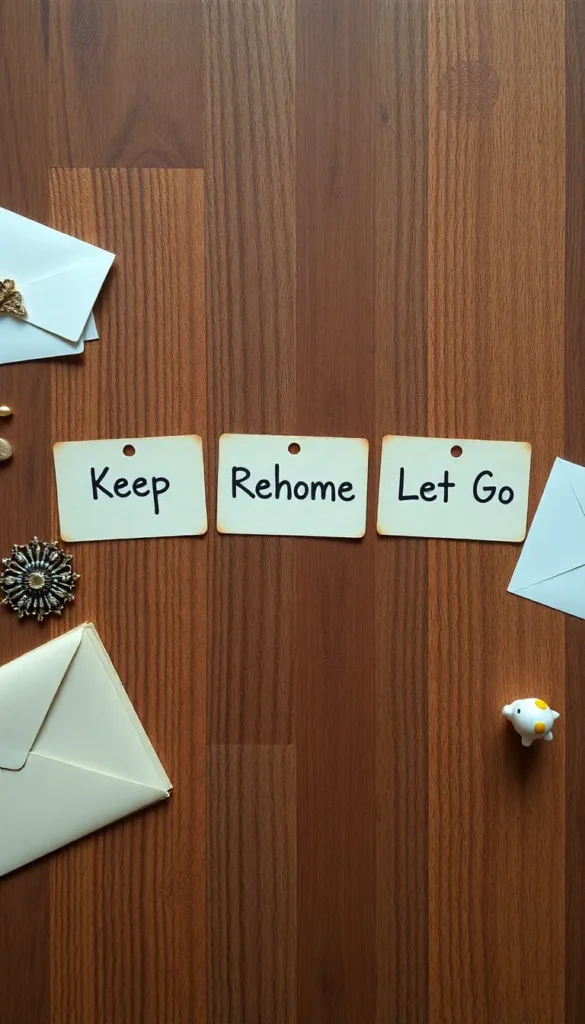
- Sort into three piles: Keep, Rehome with Love, Let Go.
The key is separating guilt from genuine attachment. Ask yourself: “If I didn’t feel guilty, would I still keep this?” If the answer is no, that item deserves a new home.
The “One Representative” Rule
You don’t need every birthday card your aunt ever sent you to remember her love. You need one that perfectly captures it.
This rule is a game-changer:
- Keep one item that best represents the collection or the person.
- Photograph the rest before letting them go — the memory lives in the image, not the object.
- Create a digital memory album for items you’re releasing so they’re never truly gone.
This way, you honor the sentiment without letting it take over your shelves.
Give Items a Meaningful Second Life
Letting go stings less when you know an item is going somewhere good. Instead of tossing sentimental things in a donation bin, be intentional:
- Pass it to family — a cousin who actually loved your mom’s china will treasure it far more.
- Donate to a cause — vintage clothes to a theater group, books to a library, toys to a shelter.
- Repurpose creatively — turn fabric from old clothing into a quilt, or frame a child’s drawing as wall art.
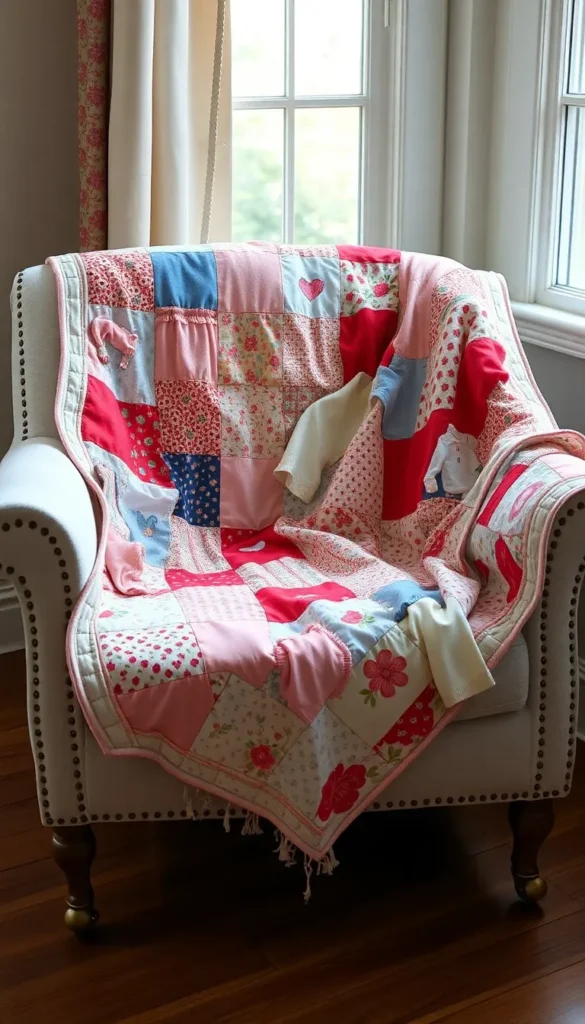
Knowing an object will be used and loved — not just stored — makes releasing it feel like a gift rather than a loss.
Set Boundaries on What “Sentimental” Really Means
Not everything old is sentimental. Not everything inherited is sacred.
Give yourself permission to ask hard questions:
- Do I actually love this, or do I feel like I should?
- Is this item enhancing my life, or just existing in a box?
- Would the person who gave this to me want it to make me happy — or stressed?
Most people who gifted you things wanted you to be happy. They didn’t intend for you to carry the weight of every object forever.
A Few Final Words
Decluttering sentimental items isn’t about being heartless — it’s about being intentional. You are not your stuff. Your love for people and your memories of them live inside you, not inside a box in the attic.
Start small. Start slow. And give yourself full permission to feel every emotion along the way.
Save this article for when you’re ready to begin — and remember: a lighter home can hold a fuller heart.