If you’ve ever stepped on a Lego at midnight or spent twenty minutes searching for a missing sneaker buried under a pile of stuffed animals, you already know the struggle is very real. A cluttered kids room isn’t just an eyesore — it creates daily stress for the whole family. The good news? You don’t need a Pinterest-perfect nursery or an expensive organizational overhaul to fix it. All you need is a simple sorting system that even your kids can follow.
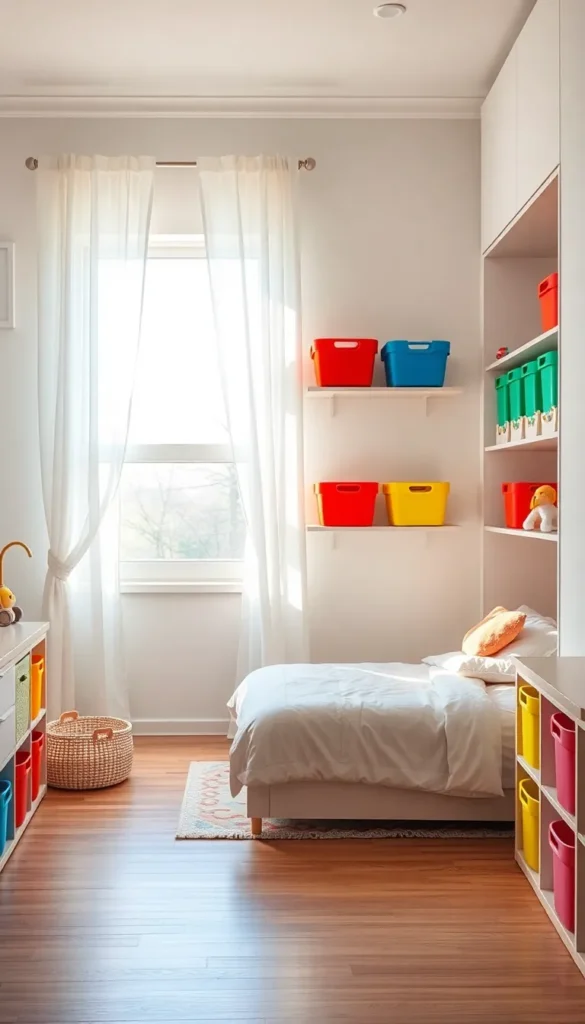
Start With a Full Clear-Out
Before you organize anything, you need to see exactly what you’re working with. Pull everything out — yes, everything — and pile it on the floor or bed. This step feels chaotic, but it’s the most important one.
Once it’s all out, sort into three initial piles:
- Keep — things still used and loved
- Donate/Sell — outgrown, duplicate, or unloved items
- Trash — broken toys, dried markers, single puzzle pieces with no match
Getting kids involved here makes a huge difference. Let them decide what stays. When they have a say, they’re far more likely to respect the system later.
Build Your Simple Sorting System
Here’s the heart of the method: sort by category, not by room zone. Most people try to organize by location (“this corner is for art, that shelf is for games”) but kids don’t think that way. They think in categories.
Try these core categories for most kids rooms:
- Books
- Dress-up & costumes
- Art & crafts supplies
- Small toys & figurines
- Puzzles & games
- Outdoor or active toys
- Stuffed animals
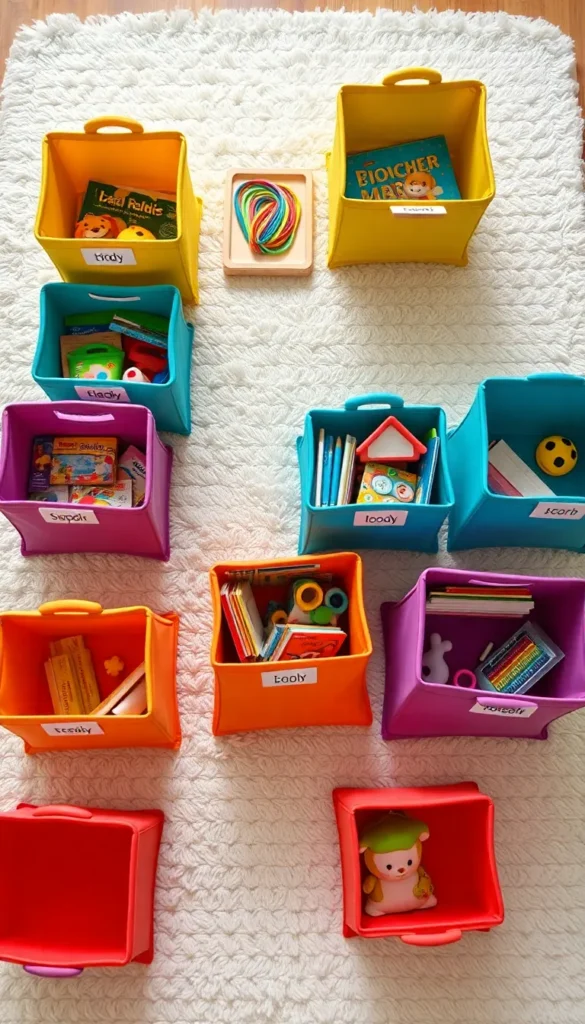
Once you know your categories, assign each one a dedicated container — a bin, basket, shelf, or drawer. The key rule: one category per container, no mixing.
Choose the Right Storage for Each Category
Not all storage works the same for every type of toy. Here’s a quick guide:
- Open bins work best for stuffed animals, balls, and bulky toys — easy grab and toss
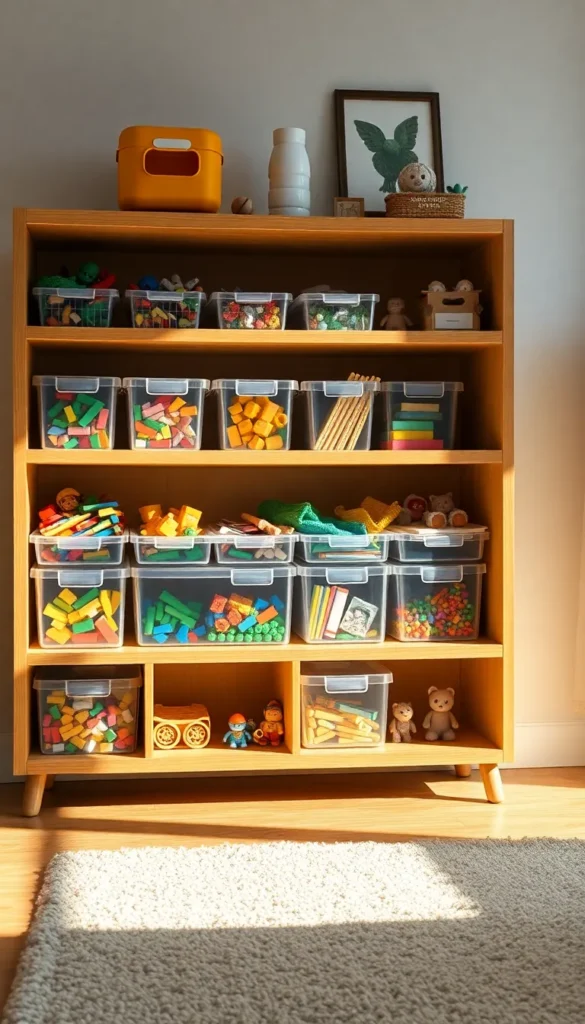
- Clear lidded boxes are great for Lego sets, craft supplies, and small figures — kids can see what’s inside
- Low shelves are perfect for books and board games — accessible and tidy
- Hooks or hanging organizers handle dress-up clothes and costumes without folding
Avoid deep toy chests where everything gets buried. They look tidy from the outside but are clutter magnets inside.
Set a “One In, One Out” Rule
Once your system is in place, keeping it that way requires one simple habit: for every new toy that comes in, one goes out. This rule prevents the slow creep of clutter that undoes all your hard work within weeks.
Make it a regular ritual — especially after birthdays and holidays. Sit down with your child, celebrate the new items, and then let them pick something to pass on to another kid who might love it. Framing it as generosity rather than loss makes the whole thing feel positive.
Teach the Reset Routine
A sorting system only works if things actually get put back. Build a short daily reset into your routine — even five minutes before bedtime makes a massive difference over time.
Make it simple and visual:
- Use picture labels on bins for younger kids who can’t read yet
- Set a timer and make it a game (“Can we clean up before the timer goes off?”)
- Keep the system simple enough that kids can do it independently
The Payoff Is Worth It
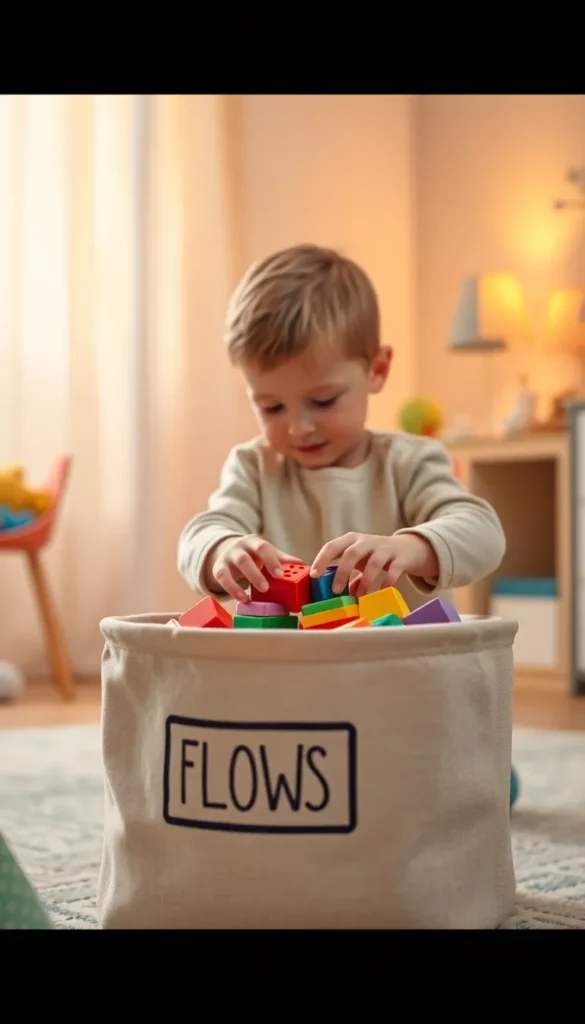
A decluttered kids room isn’t just easier to clean — it actually helps kids play better. With fewer distractions and clearly defined spaces, they focus more, find what they need faster, and feel calmer in their environment.
You don’t need to do this perfectly. Start with one corner, one category, one bin. Build from there.
Save this article, share it with another parent who needs it, and come back to it every season when it’s time for a room reset!