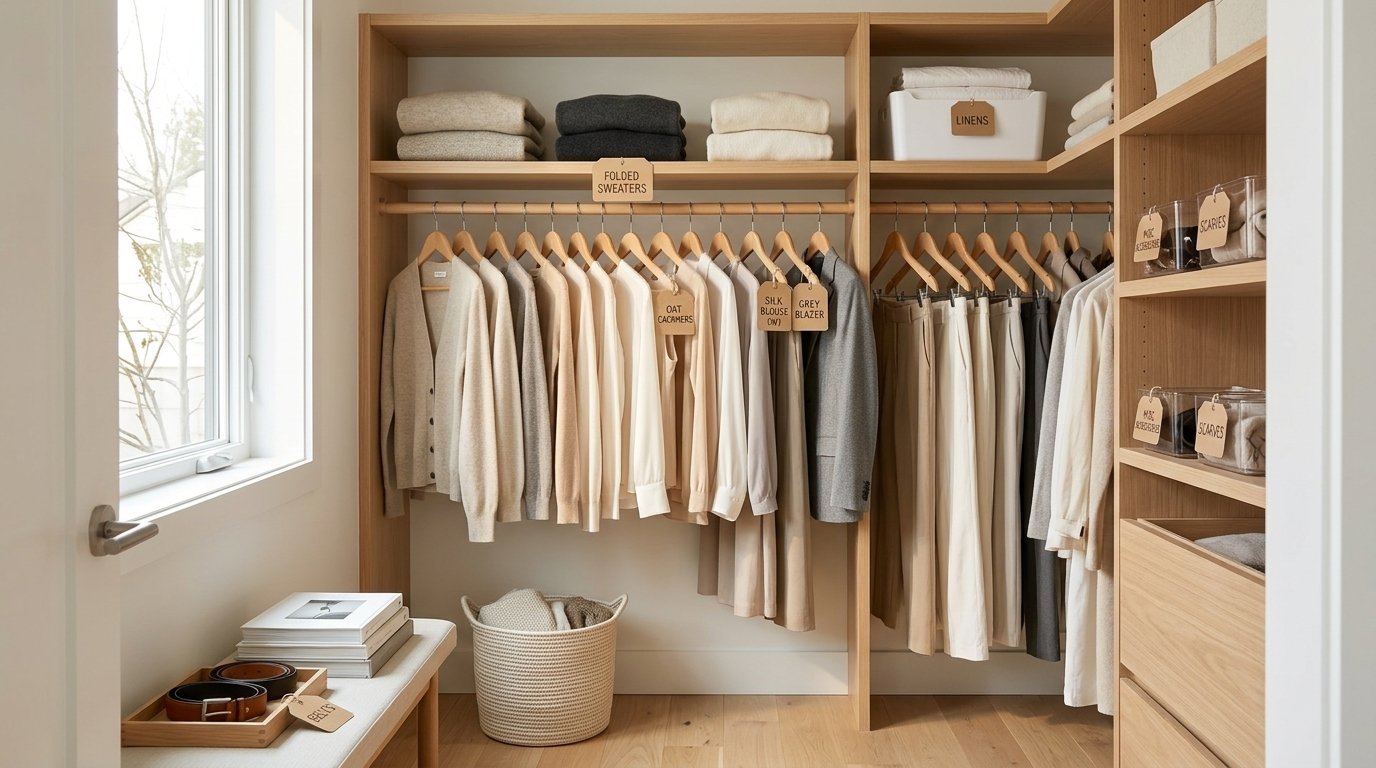
There’s something quietly magical about opening your closet and knowing — without a second thought — exactly what to wear. No digging through piles, no “I have nothing to wear” spirals, just calm, curated choices that all work together. That’s the promise of a capsule wardrobe, and it starts with one very satisfying step: decluttering.
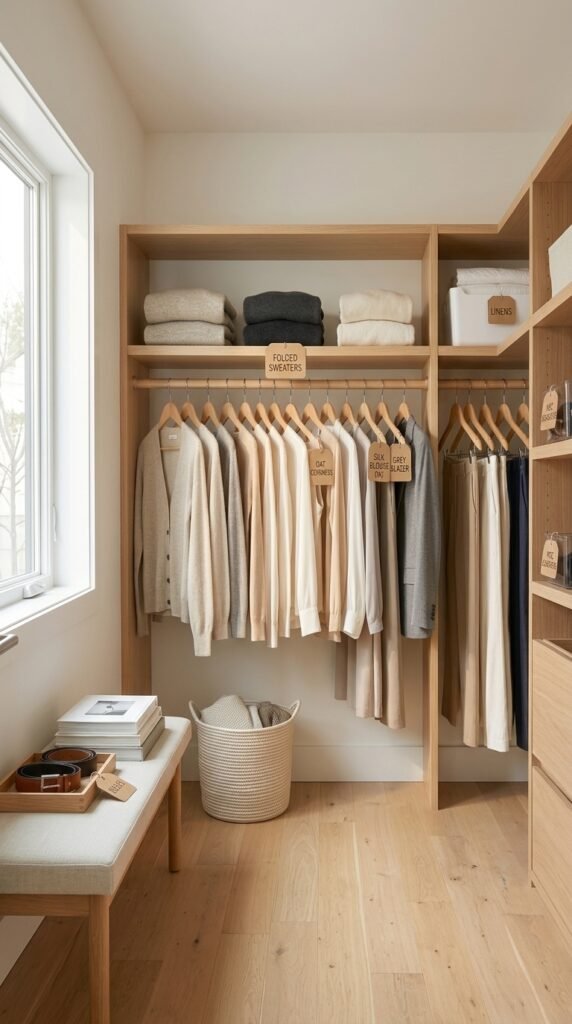
Whether your closet looks like a sale rack explosion or just feels overwhelming, this guide will walk you through exactly how to clear it out and rebuild it into something that actually works for your life.
Step 1: Pull Everything Out (Yes, Everything)
This is the step most people skip — and why most declutters don’t stick.
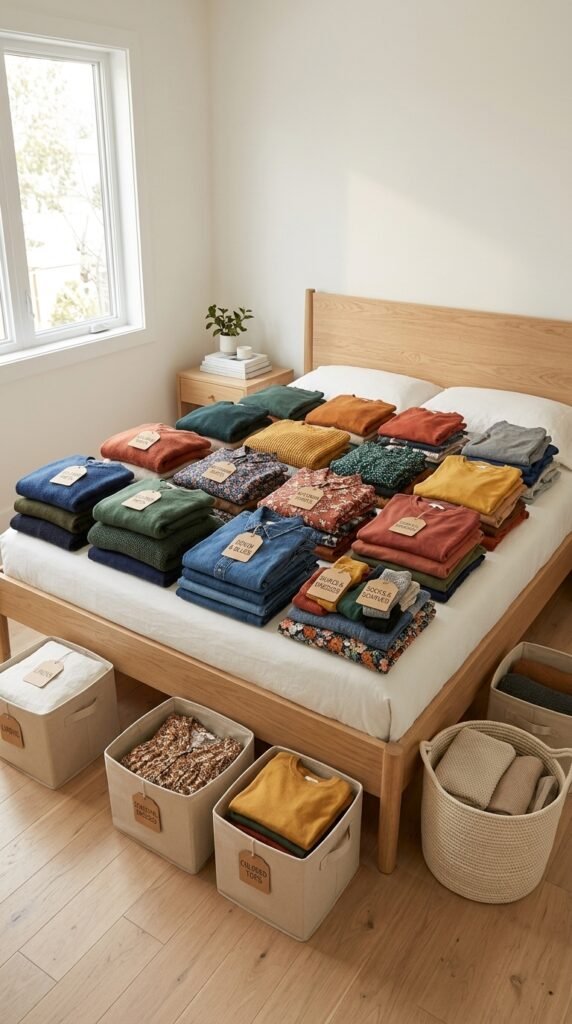
Take every single item out of your closet and place it on your bed or floor. You need to see what you’re actually dealing with before you can make smart decisions. This also forces you to touch each piece, which is key.
- Set aside a full afternoon for this
- Have three bins or bags ready: Keep, Donate, Toss
- Don’t judge yourself — just sort honestly
Step 2: Ask the Right Questions About Each Piece
Hold each item and run it through a quick mental checklist:
- Does it fit right now? (Not “when I lose ten pounds”)
- Have I worn it in the last year?
- Does it make me feel confident?
- Is it damaged, faded, or worn out?
If the answer to any of these tips toward no, it goes in the donate or toss pile. Be honest. That blouse you bought on sale but never quite loved? Let it go.
One helpful trick: turn all your hangers backwards. After wearing something, hang it forward. In six months, everything still backwards gets donated — no second-guessing needed.
Step 3: Understand What a Capsule Wardrobe Actually Is
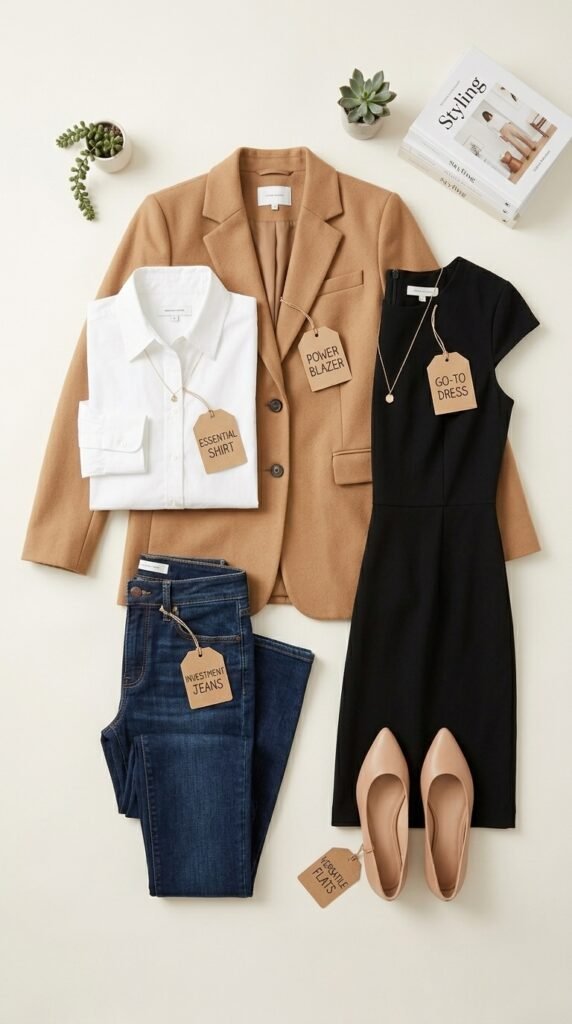
A capsule wardrobe isn’t about owning the least amount of clothes — it’s about owning the right clothes. Typically, it’s a curated collection of 30–50 versatile pieces that mix and match effortlessly.
The foundation is built on:
- Neutrals — white, black, grey, beige, navy
- Classic silhouettes — straight-leg trousers, a well-fitted blazer, simple tees
- Quality over quantity — fewer pieces that last longer
Think of it as building an outfit ecosystem where everything works with everything else.
Step 4: Identify Your Lifestyle Gaps
Before adding anything new, audit what you actually need. Open your calendar (or just think about your average week):
- How many days a week do you work from home vs. in an office?
- Do you have regular social plans, gym sessions, or weekend errands?
- What’s your climate like most of the year?
Map your wardrobe to your real life, not your fantasy one. If you work from home five days a week but have ten blazers and two pairs of comfy joggers, your closet isn’t serving you.
Step 5: Rebuild Intentionally
Now the fun part. With your keep pile sorted and your gaps identified, you can fill in what’s missing — but with intention this time.
A few ground rules:
- Shop your closet first — style pieces in new combinations before buying
- Buy less, but better — invest in one good pair of trousers rather than three cheap ones
- Stick to your color palette — new pieces should work with at least three things you already own
- Avoid trend-chasing — classics over viral fast-fashion finds, always
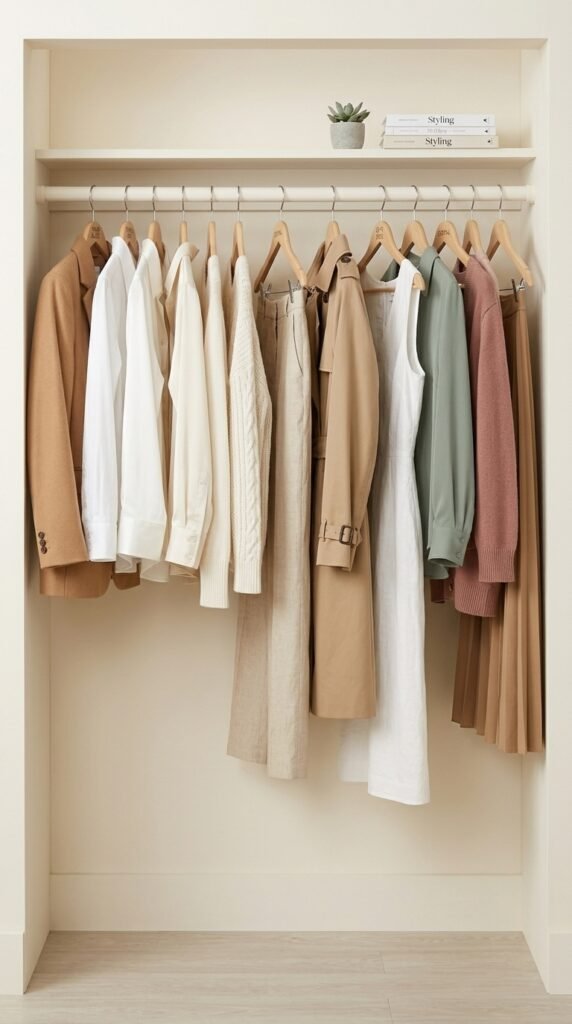
The Result: A Closet That Works for You
Once you’ve decluttered and rebuilt, mornings genuinely change. Getting dressed stops being stressful and starts being automatic — because every single thing in your closet fits, flatters, and belongs there.
Maintain it by doing a mini-edit every season: pull out anything that’s worn out, donate what no longer fits your style, and resist impulse buys that don’t serve the whole.
Save this guide and share it with someone whose closet needs a reset — a streamlined wardrobe is one of the easiest ways to reduce daily stress and feel more like yourself every single day.