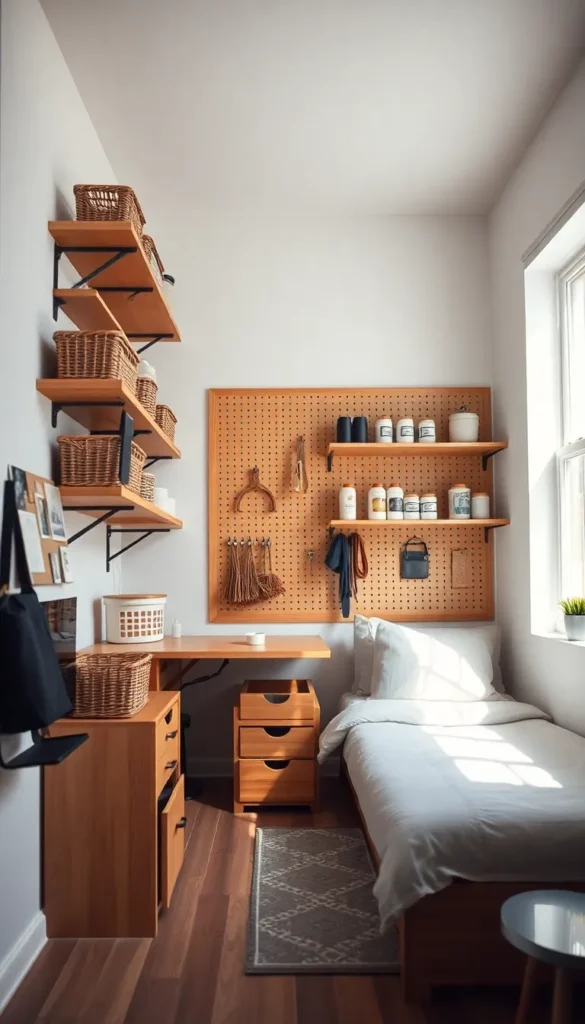
Living in a tiny home, studio apartment, or compact room does not mean living in chaos. The right organization systems can make even the smallest space feel open, calm, and completely functional. Whether you are dealing with a 300-square-foot apartment or a small bedroom that doubles as your office, smart storage choices can change everything. This guide walks you through 27 real, affordable, and easy-to-execute ideas that work in actual small spaces — not just Pinterest fantasies.
1. Use the Space Under Your Bed
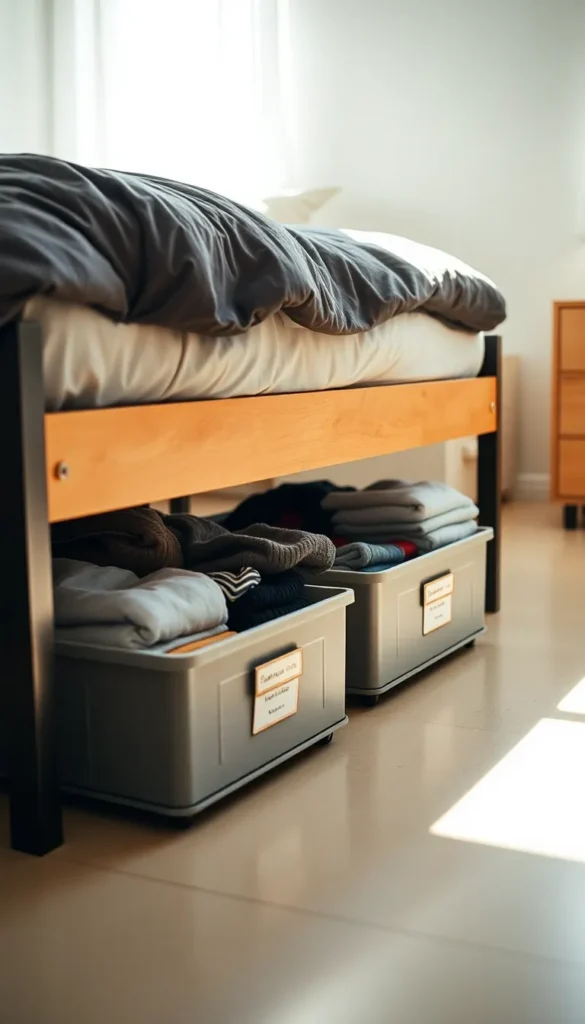
Under your bed is prime real estate. Most people ignore it completely.
Grab flat rolling bins from a dollar store or big-box retailer. Store off-season clothes, extra bedding, or shoes.
No clearance under your bed? Bed risers cost about $10–$15 and can add 4–6 inches of storage space instantly.
Use vacuum storage bags for bulky items like winter comforters. They compress down to almost nothing and slide under easily.
2. Mount a Pegboard in the Kitchen
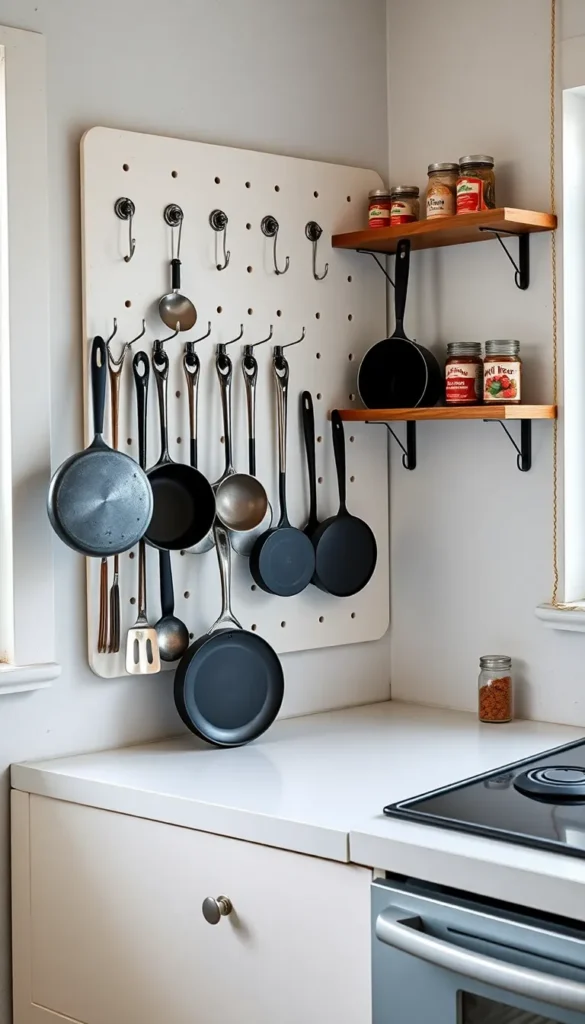
Counter clutter is the enemy of a small kitchen. A pegboard wall solves this without spending much.
A 2×4-foot pegboard sheet costs under $20 at a hardware store. Paint it any color. Add hooks and small shelves.
Hang pots, pans, utensils, and even a paper towel holder.
Your counters stay clear. Your tools stay visible and easy to grab.
This works in rental kitchens too — mount it on one nail or use a freestanding pegboard frame.
3. Add Floating Shelves Everywhere
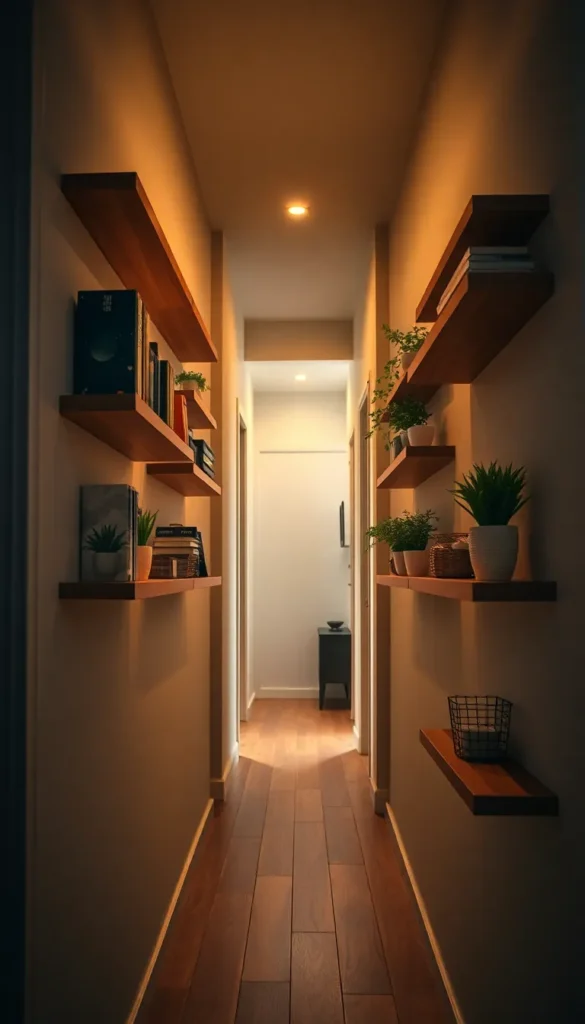
Floating shelves turn dead wall space into usable storage.
Install them in your hallway, above the toilet, above the desk, or beside the front door. Anywhere you have blank wall and a few inches of depth is fair game.
Basic pine floating shelves cost $10–$25 each. IKEA LACK shelves are even cheaper.
Use them for books, baskets, small plants, or everyday items you want within reach.
They do not take any floor space. That is the whole point.
4. Hang a Door Organizer (Any Door)
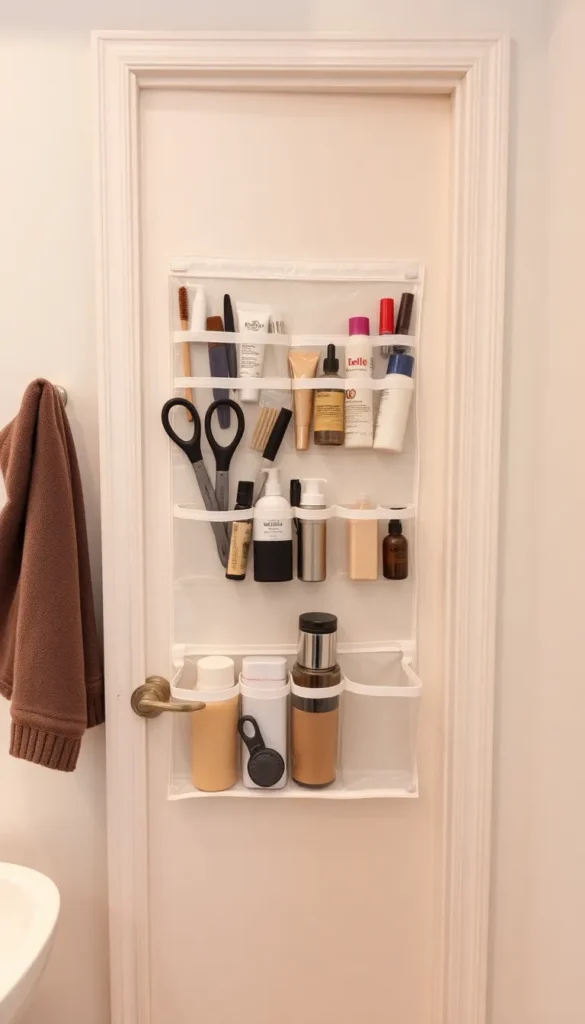
The back of every door in your home is wasted space.
Over-the-door organizers with pockets or hooks cost $10–$20. Use them on bathroom doors for toiletries, on bedroom doors for accessories, or on pantry doors for snacks and spices.
A shoe organizer on the back of a closet door can hold cleaning supplies, craft materials, or kids’ toys.
You are not using that space anyway. Might as well put it to work.
5. Use a Tension Rod Under the Sink
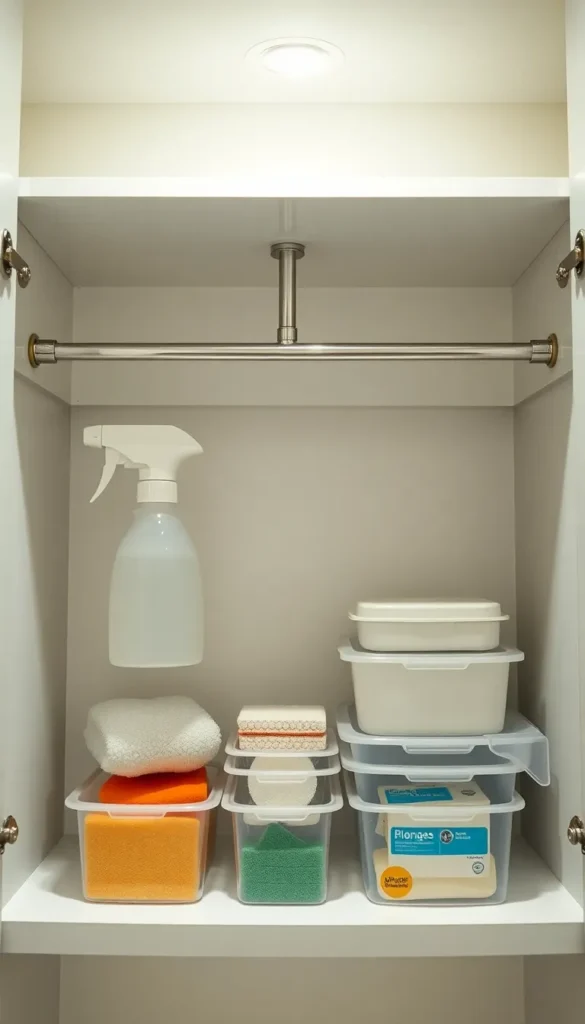
The space under your sink is usually a black hole of clutter.
Add a tension rod across the upper portion of the cabinet. Hang spray bottles upside down from their triggers. Instantly doubles your usable space.
Below the rod, stack small bins or use a small lazy Susan for bottles that do not hang.
Tension rods cost about $5. No tools needed. Completely renter-friendly.
This works under kitchen and bathroom sinks equally well.
6. Build a Book Ledge Headboard
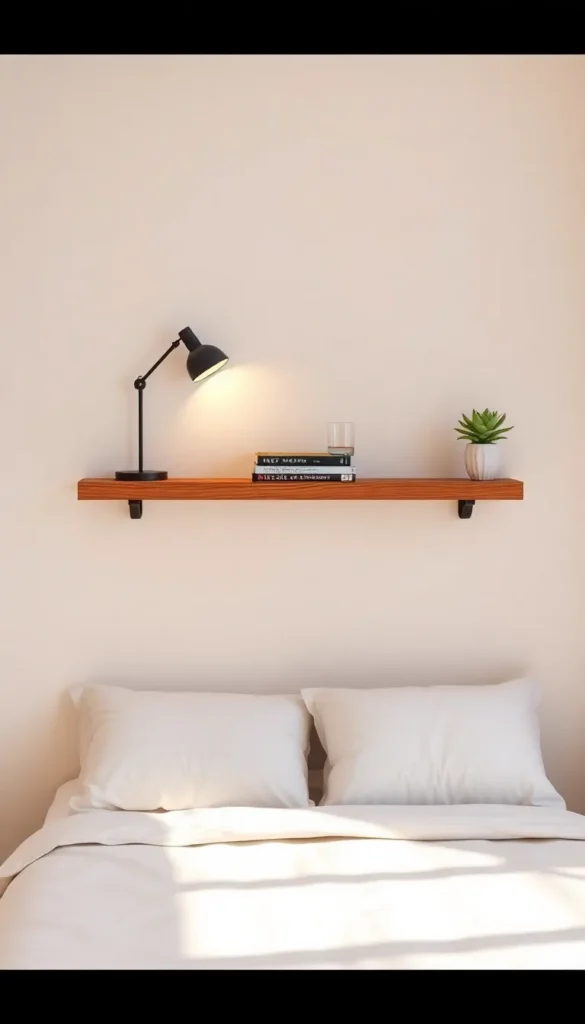
Nightstands take up precious floor space in a tiny bedroom.
A wall-mounted ledge behind your bed replaces the nightstand completely. It holds your lamp, book, phone, and water glass — all without touching the floor.
You can buy a simple floating shelf or build one with a pine board and two brackets for under $30.
Mount it at the right height and you have everything you need within arm’s reach. Zero floor footprint.
7. Use Vertical Space in the Closet
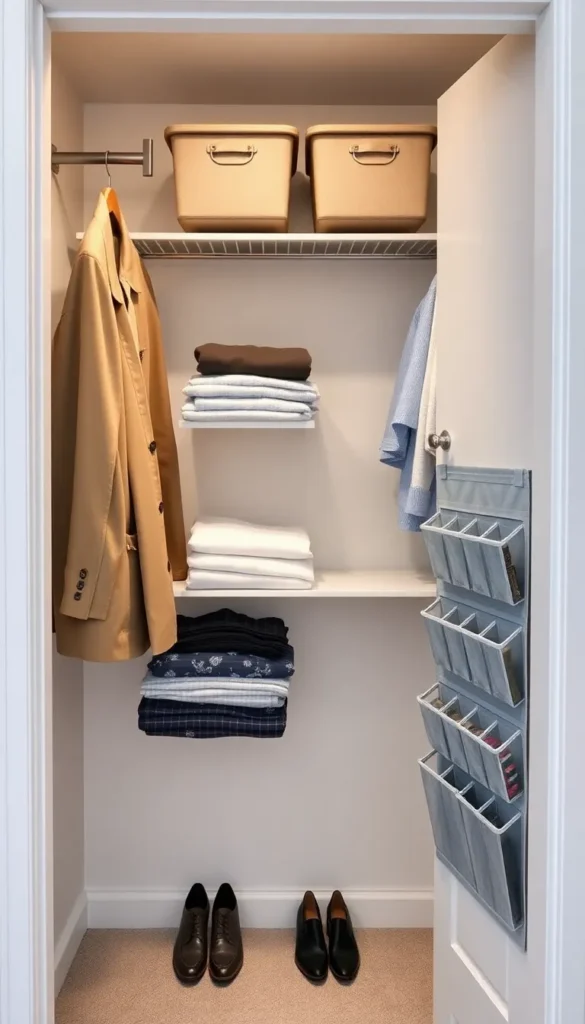
Most closets only use half their vertical space. The area above the hanging rod and below short items is pure waste.
Add a second hanging rod beneath shirts and jackets to double your hanging space instantly. A basic dowel and two hooks costs under $15.
Use stackable bins on the top shelf. Add a shelf riser inside to create two levels for folded clothes or shoes.
Slim velvet hangers instead of plastic ones free up 30–40% more rod space.
8. Try a Fold-Down Wall Desk
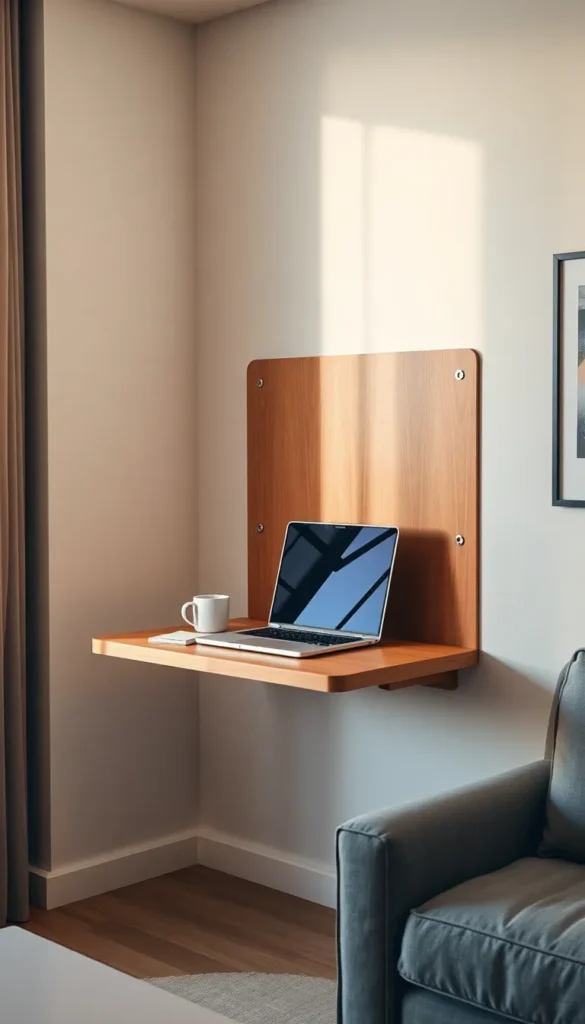
Working from a tiny home is tough without a dedicated desk.
A fold-down wall desk mounts flat against the wall and folds open only when you need it. When folded up, it takes zero floor space.
IKEA NORBO is a classic option at around $50. Or build one with a piano hinge, a painted board, and two chains for support — total cost under $40.
Mount it in your bedroom, hallway, or living room. Fold it up at the end of your workday and the space is yours again.
9. Hang Pots from a Ceiling Rack
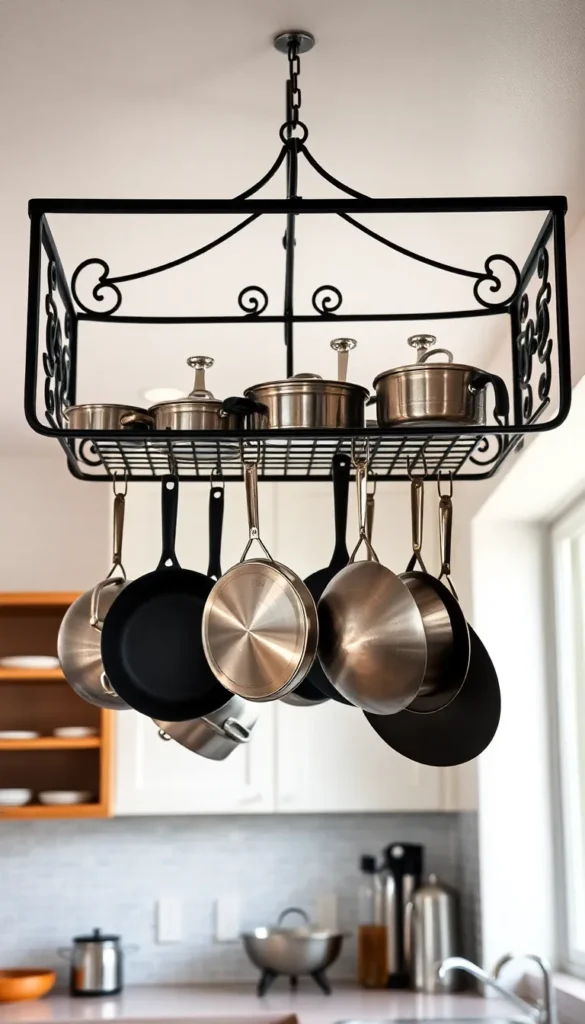
If your kitchen has no wall space, look up.
A ceiling-mounted pot rack keeps all your cookware off the counter and out of the cabinets. It also makes your kitchen feel more like a real culinary space.
Basic ceiling pot racks start at $30–$60 online. Use S-hooks to hang pots, pans, and even a colander.
This works best in kitchens with higher ceilings and a central island or open prep area below.
10. Stack Storage Cubes as Room Dividers
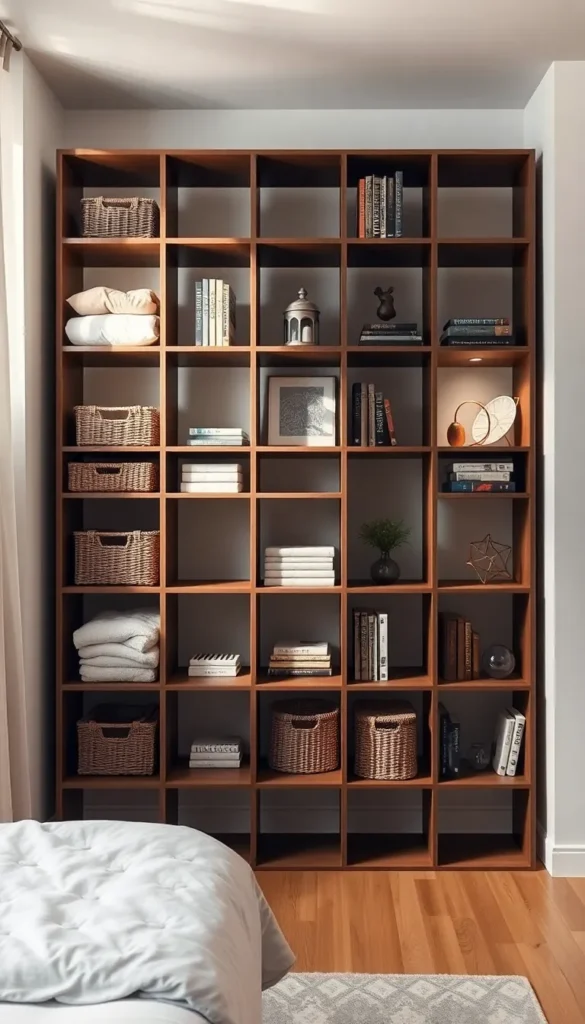
Studio apartments struggle with no separation between sleeping and living areas.
Cube shelving units like the IKEA Kallax work as both storage and a soft room divider. Position one between your bed and sofa to create two distinct zones.
Fill the cubes with baskets, books, or decorative bins. It stores your stuff and defines your space at the same time.
Kallax shelves start at around $60 and come in multiple sizes. Open-back units keep the room feeling light.
11. Label Everything (Seriously)
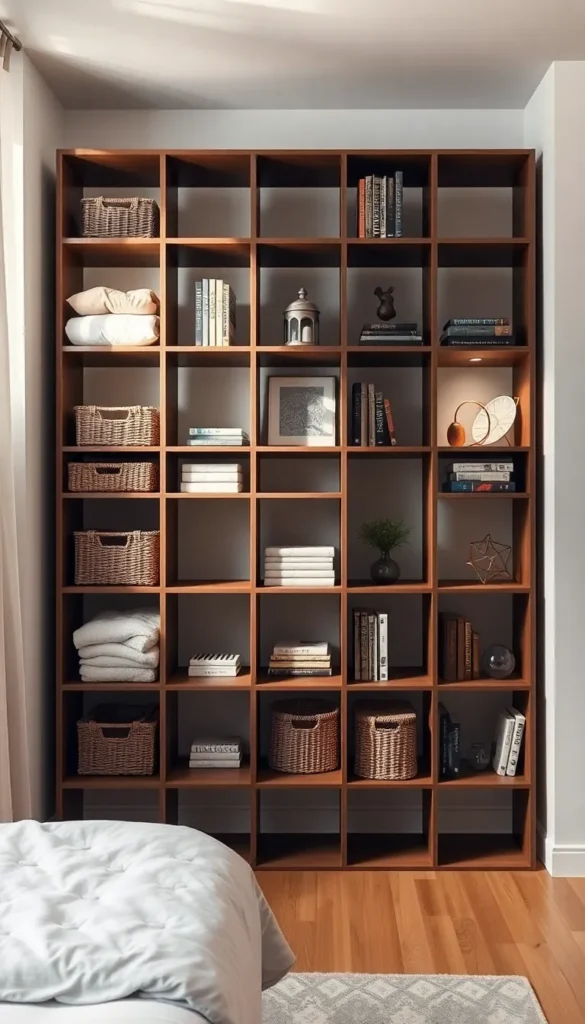
Organization without labels falls apart within a week.
When everything looks the same, people stop putting things back correctly. Labels fix this.
A basic label maker costs $15–$25. Or print labels at home and laminate them. Even hand-written labels on masking tape work fine.
Label bins in your pantry, baskets in your closet, containers under the sink — anything that gets opened by more than one person.
Clear labels mean less time searching and more things returning to the right spot.
12. Use a Slim Rolling Cart
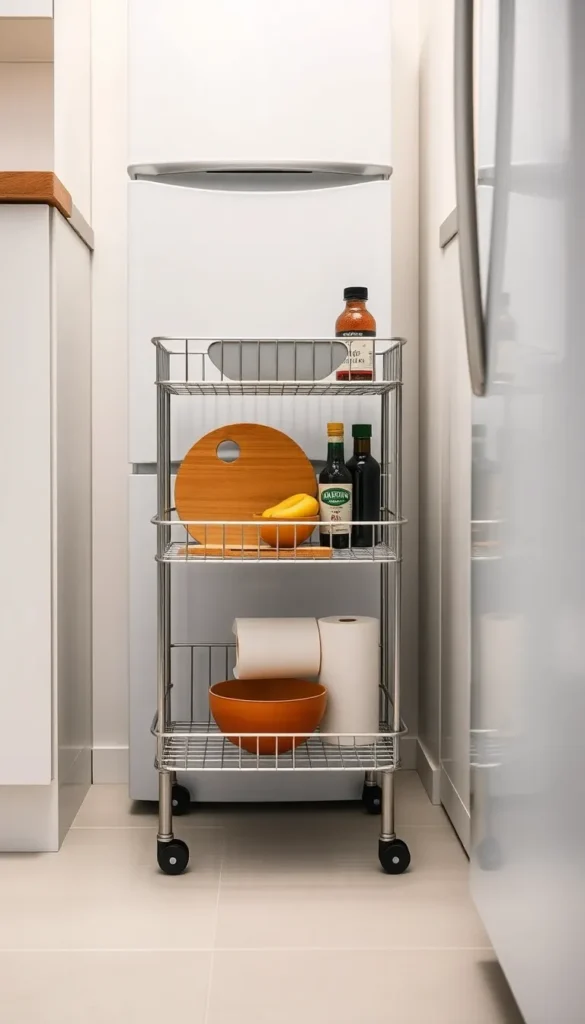
That 4-inch gap between your fridge and the wall? It is storage space.
A slim rolling cart — sometimes called a pantry pull-out cart — fits into these tight spaces. They usually hold 3–5 shelves and roll out easily for access.
Use one beside the fridge for spices, cutting boards, and small kitchen tools. Or put one in the bathroom for towels and toiletries.
These carts typically cost $25–$50. Look for ones under 6 inches wide for the tightest gaps.
13. Invest in an Ottoman with Storage
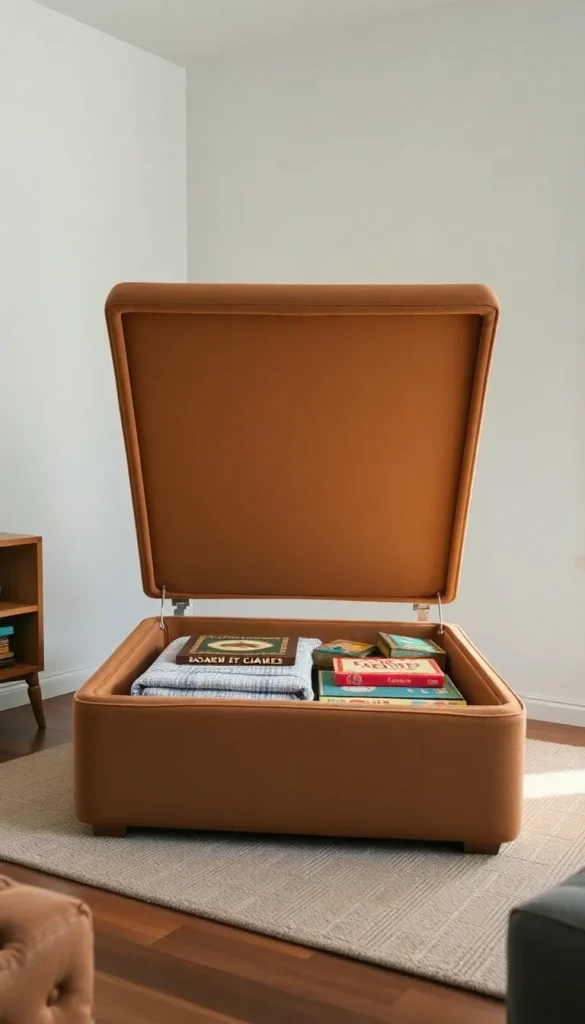
A storage ottoman works as a coffee table, extra seat, and hidden storage all in one piece of furniture.
Store blankets, board games, kids’ toys, charging cables, or anything you want out of sight but within reach.
Look for ones with removable lids and solid builds. Prices range from $40 to $120 depending on size and material.
In a small living room, every piece of furniture should serve at least two functions. An ottoman that stores things is an easy win.
14. Mount a Magnetic Strip in the Kitchen
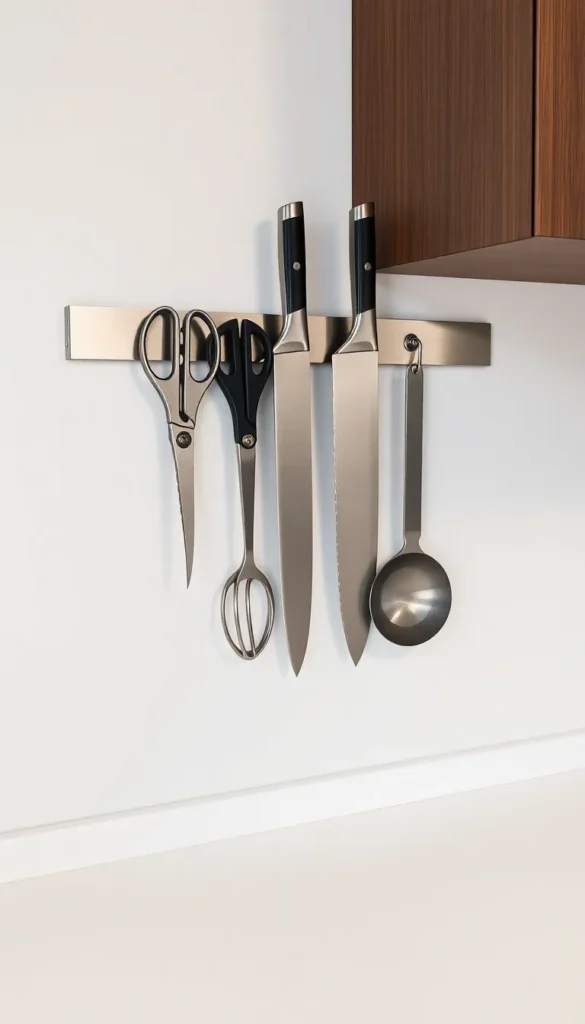
Knife blocks take up counter space. Magnetic strips take up zero counter space.
A magnetic knife strip mounts directly to your wall and holds all your knives, scissors, and metal tools.
They cost $15–$30 and take about 10 minutes to install. Mount it beside your prep area so your most-used tools are always within reach.
Bonus: it keeps sharp blades away from drawers where they can get damaged — or where small hands can find them.
15. Hang Baskets on the Wall
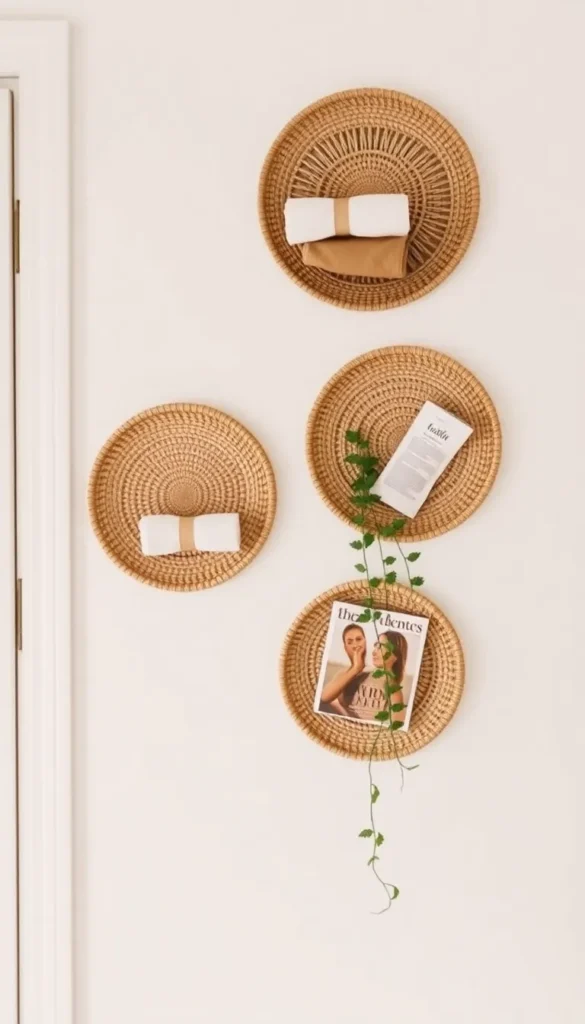
Baskets mounted on walls do double duty — they look like art and function as storage.
Use them in a living room to hold blankets, magazines, or plants. In the bathroom, they store extra toilet paper or rolled towels.
Woven wall baskets cost $8–$25 each. Mount them on a single nail or use the hanging hardware on the back.
Group three different sizes together for a styled look that also clears off a shelf or countertop elsewhere in the room.
16. Use the Space Above Kitchen Cabinets
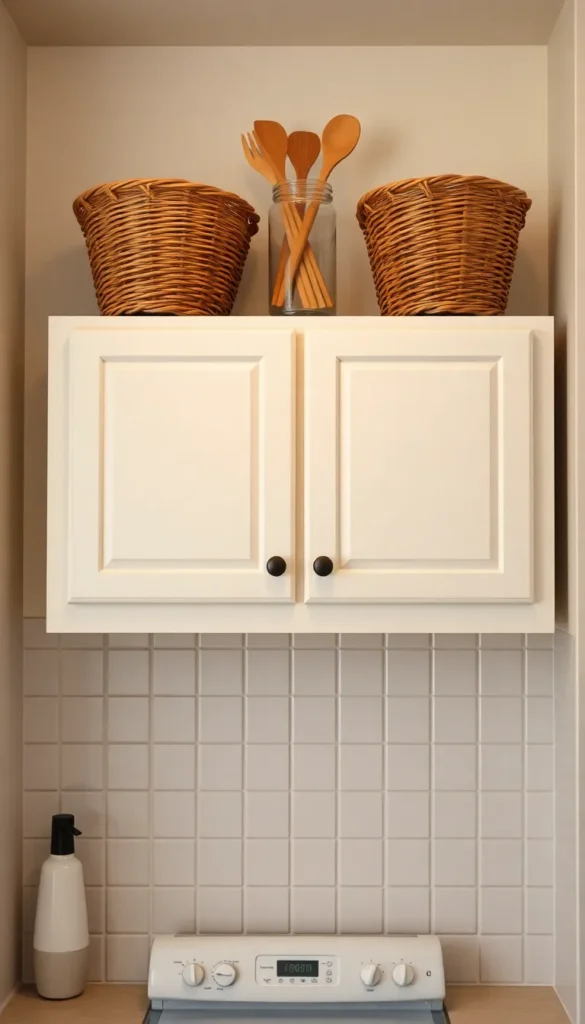
The gap between your kitchen cabinets and the ceiling is usually empty and dusty.
Use it for items you do not need daily — extra serving platters, large mixing bowls, seasonal baking pans, or decorative baskets that also store things.
Line the items up neatly using uniform baskets or containers. It looks intentional instead of cluttered.
A step stool helps you reach this area. Put frequently rotated items here, not things you will forget forever.
17. Hang a Shower Caddy That Works
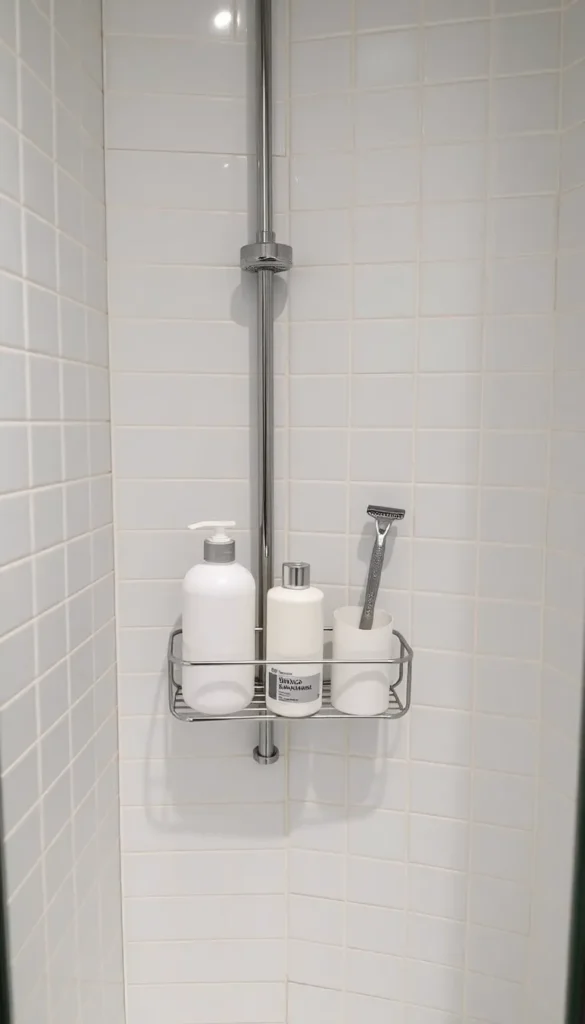
Shower ledges get cluttered fast in a small bathroom.
A tension pole caddy goes floor to ceiling in the corner of your shower without drilling. It holds multiple shelves of products and keeps the ledge and floor clear.
Look for one with rust-resistant materials. They cost $20–$40 and take five minutes to install.
Decanting your products into matching bottles instantly makes the shower look 10 times tidier — and it takes about 20 minutes to set up.
18. Use Drawer Dividers in Every Drawer
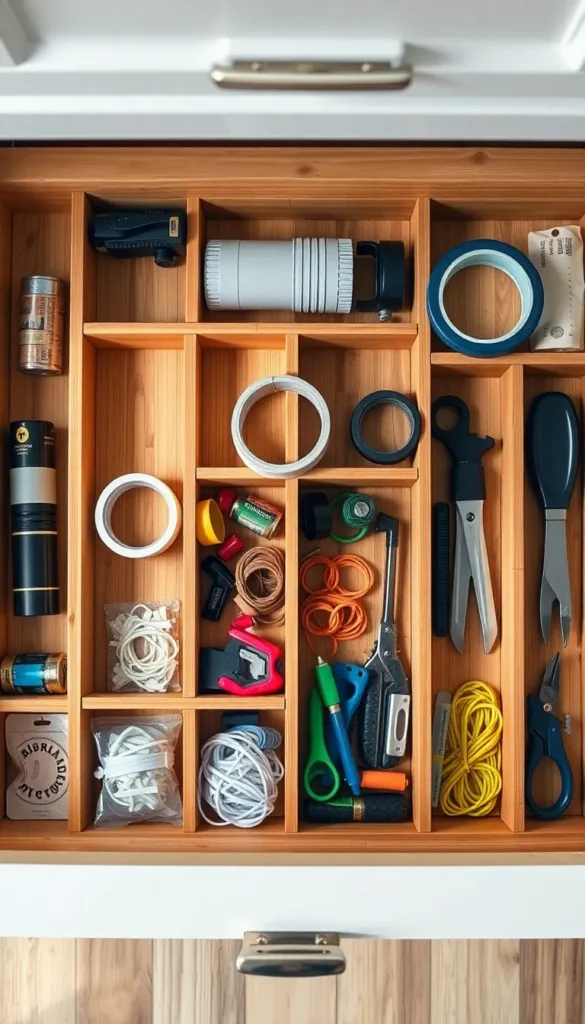
Every home has at least one chaos drawer. A few dividers fix it permanently.
Adjustable bamboo or plastic drawer dividers cost $10–$20 and fit almost any drawer. Use them in your kitchen junk drawer, bathroom, bedroom dresser — anywhere things pile up.
Once divided, assign each section a specific category. Do not mix categories.
The two minutes it takes to put things back correctly saves you five minutes of searching every time you need something.
19. Create a Command Center by the Door
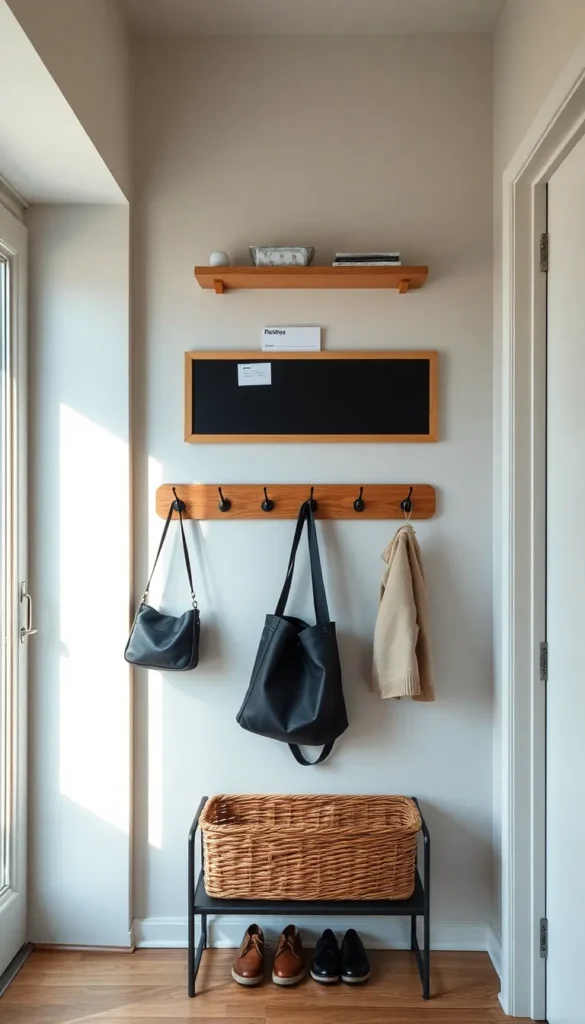
A command center near your front door stops the chaos that accumulates in entryways.
Mount a few hooks for bags, coats, and keys. Add a small shelf above for mail and daily items. Include a chalkboard or whiteboard for notes.
This keeps your whole household organized in one spot. Things stop getting lost because there is always a designated place for them.
You can build the whole setup for under $50 using basic hardware store materials.
20. Use Clear Bins in the Fridge
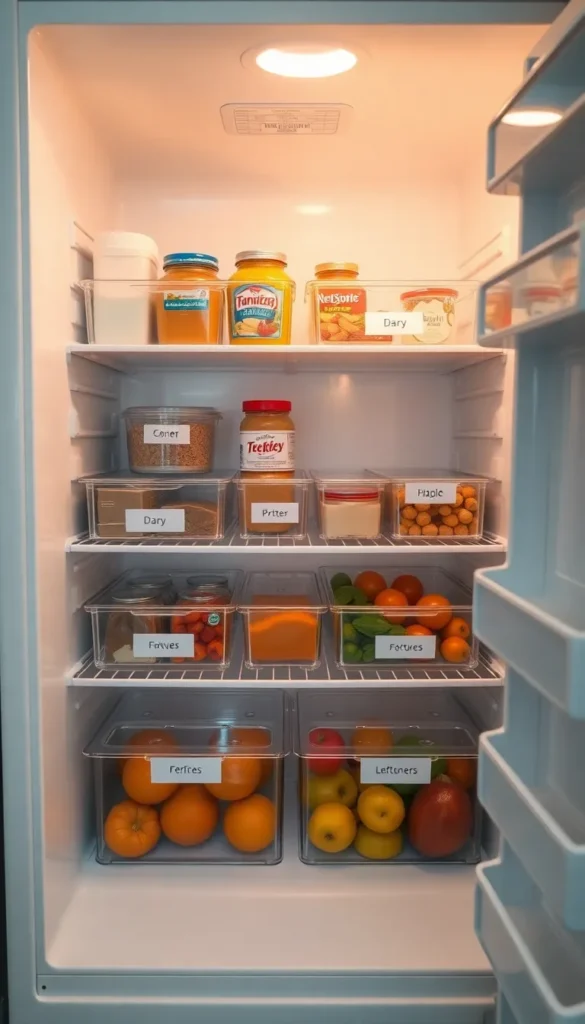
Refrigerator clutter wastes food and makes small kitchens feel messier.
Clear bins inside the fridge group similar items together — dairy in one, condiments in another, leftovers in a third.
When something is out, the whole bin comes out. No digging. No forgotten items rotting in the back.
Dollar stores and discount shops sell these bins for $1–$5 each. You do not need a matching set. Uniform sizing helps, but any clear container works.
21. Go Vertical in the Bathroom
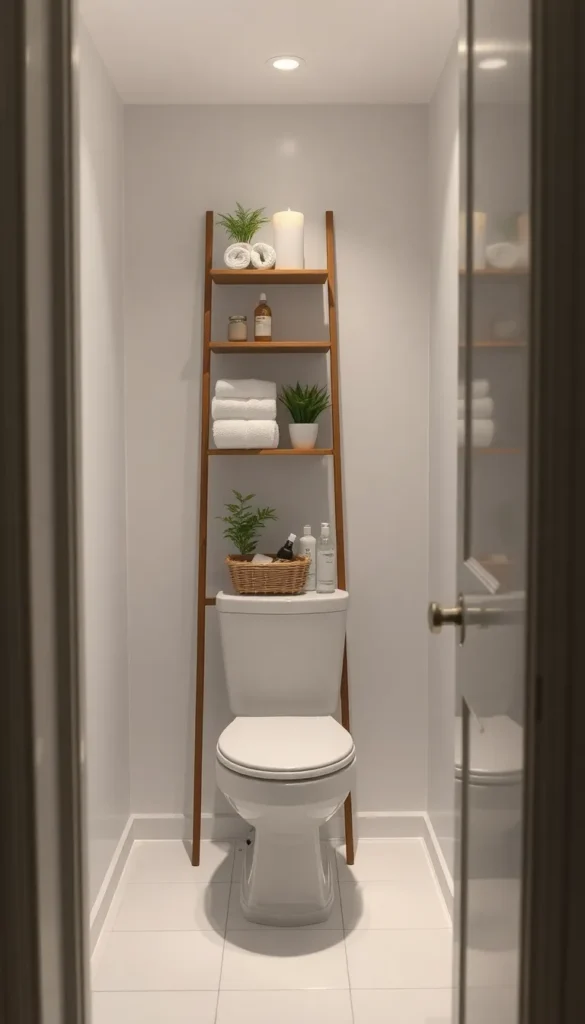
Tiny bathrooms have almost no counter or floor space to work with.
A tall ladder shelf or tower shelf adds vertical storage without taking much floor space. Position one beside the toilet or in a corner.
Use it for extra towels, toiletries, plants, and small baskets of supplies.
These shelves start at around $30–$50 and come in wood or metal. They lean against the wall and require no drilling — great for renters.
22. Hang a Second Curtain Rod for More Closet Space
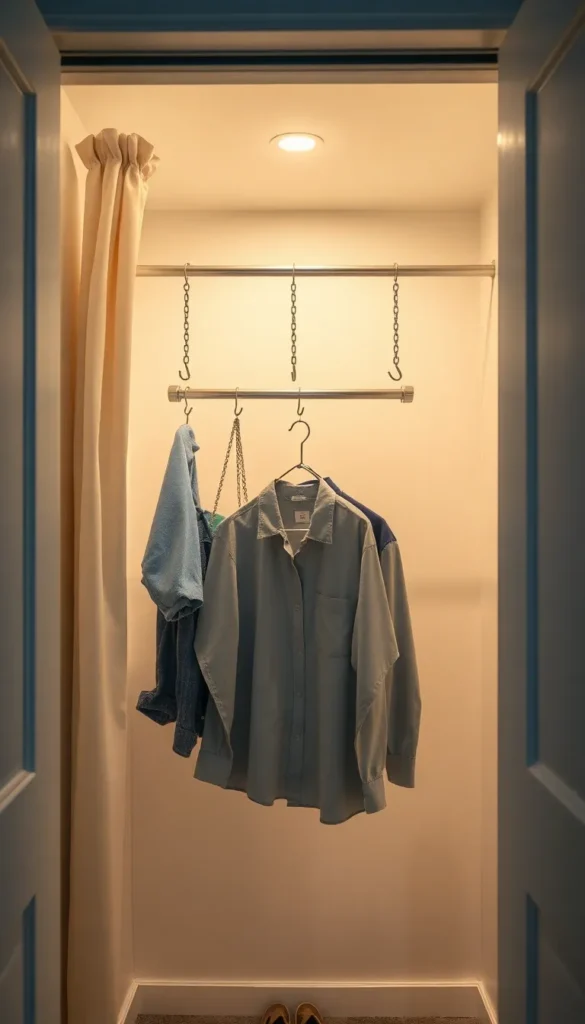
This is one of the cheapest closet hacks around.
Hang a second curtain rod or dowel from your main closet rod using S-hooks and short lengths of chain. This creates a lower level specifically for short folded shirts, jackets, or folded trousers.
The whole setup costs under $10 and takes about 10 minutes. No drilling, no tools beyond pliers.
You effectively double your hanging space without touching a wall or buying new furniture.
23. Use Binder Clips to Organize Cables
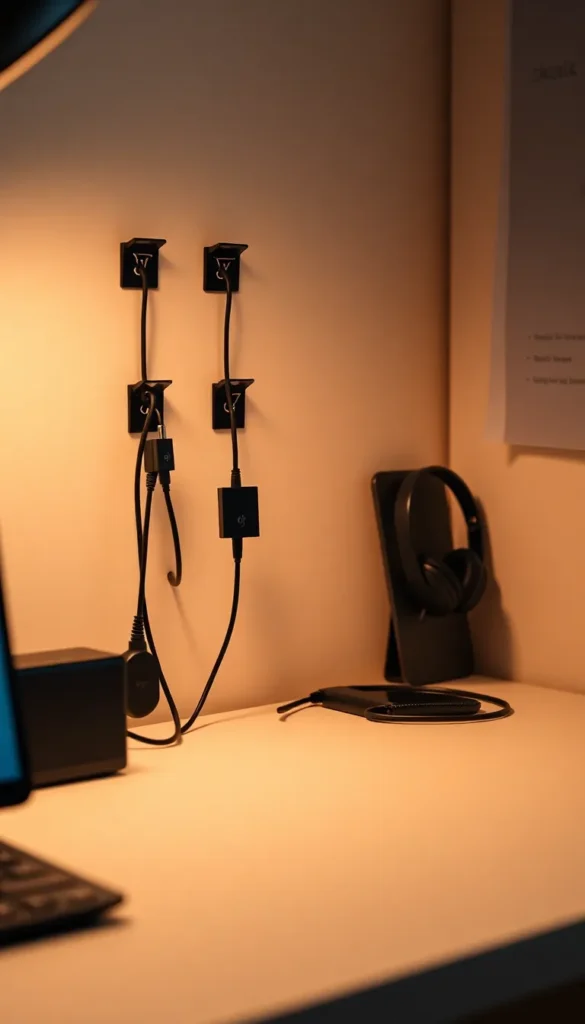
Cable clutter makes any small space feel messier than it is.
Binder clips mounted to the edge of a desk or table hold cables in place so they do not fall behind the furniture or tangle.
Thread the cable through the metal loop of the clip and attach the clip to the desk edge. Each cable stays where you left it.
This costs essentially nothing if you have binder clips already. Buy a pack of 12 for about $2 if you do not.
24. Install Pull-Out Cabinet Organizers
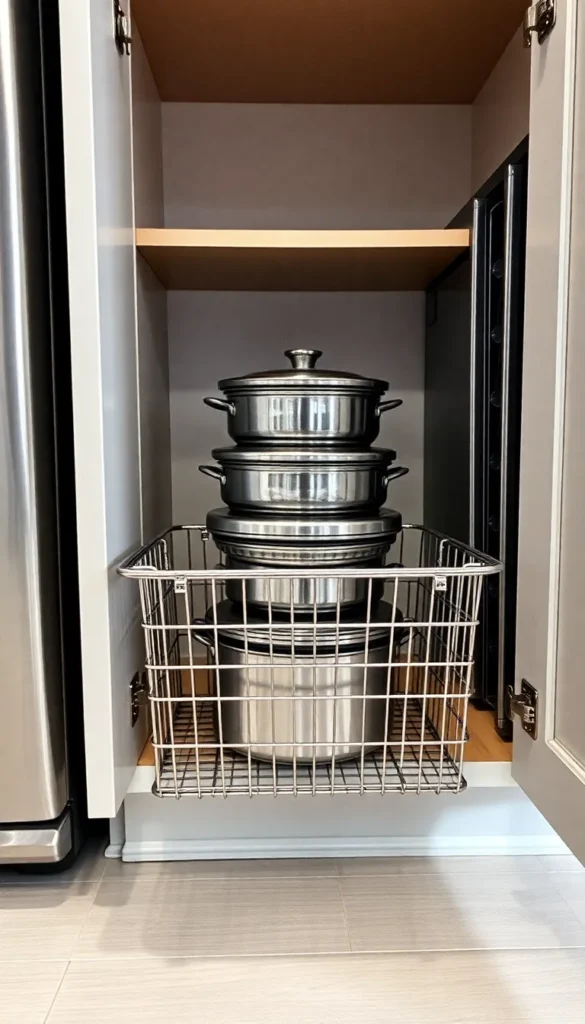
Deep lower cabinets are black holes. Things go in and never come back out.
Pull-out cabinet organizers — sliding wire baskets or drawer inserts — make deep cabinets fully accessible.
You can buy pull-out cabinet organizers for $20–$40 each and install them without a contractor. They mount on simple slides inside the cabinet.
Use them for pots and pans, cleaning supplies, or pantry items. No more digging to the back for the item you need.
25. Repurpose a Shoe Organizer for Non-Shoe Things
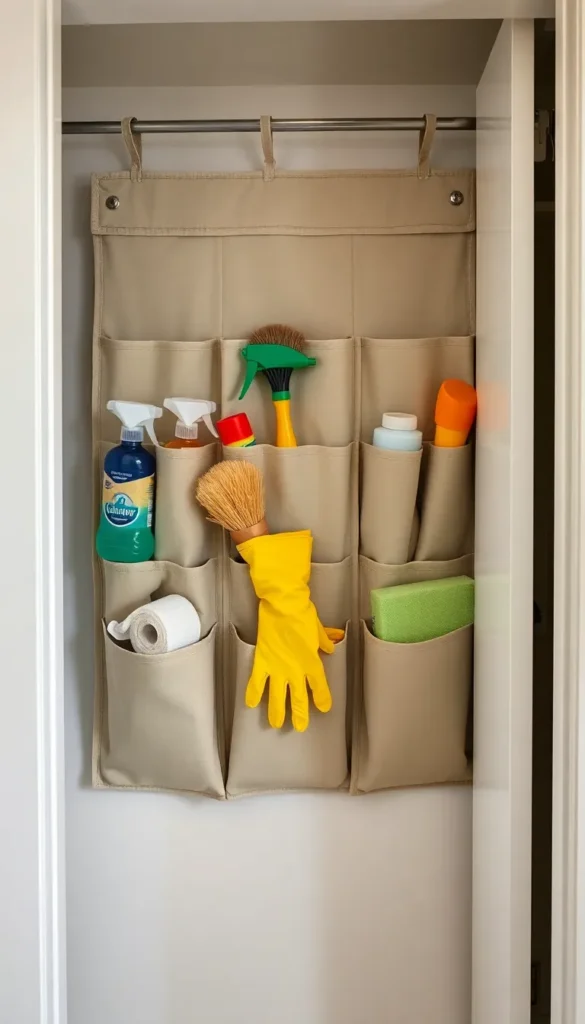
A hanging shoe organizer is one of the most flexible storage tools you can own.
Use one on the back of a pantry door for spices and packets. Use one in the bathroom for toiletries and hair tools. Use one in the laundry room for detergent pods, fabric softener sheets, and lint rollers.
It holds dozens of small items without taking any shelf space.
Fabric hanging shoe organizers cost about $8–$15 and are available everywhere.
26. Create a Mini Mudroom at the Entryway
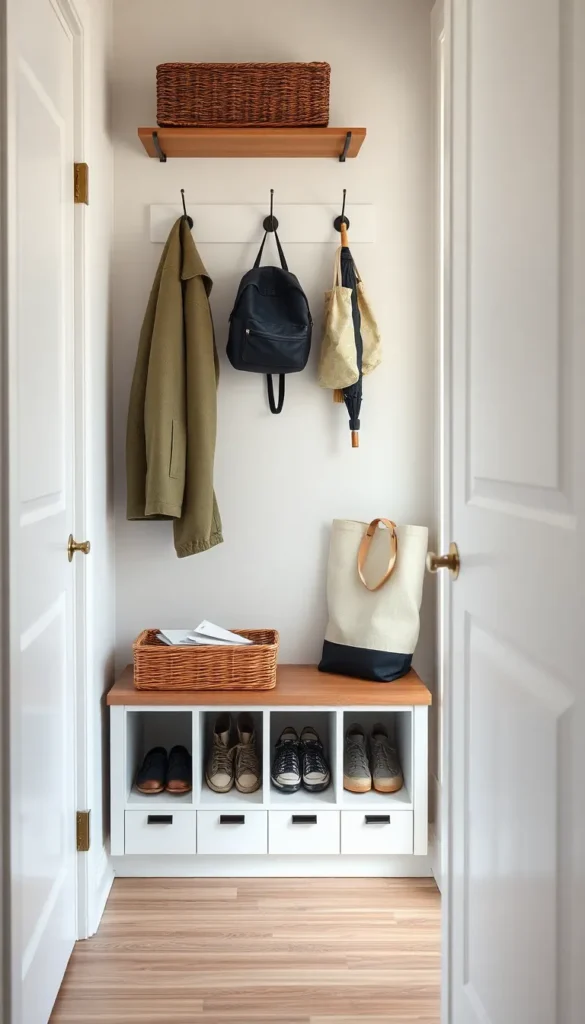
Even a tiny entry hall can function as a proper mudroom.
Mount four to six hooks on the wall. Add a narrow floating shelf above and a small bench or low cube below.
Keep one hook per household member. Use the shelf for keys, sunglasses, and mail. Store shoes in the cubbies under the bench.
The whole setup can be built for under $75 and keeps the rest of your home from absorbing the clutter that usually piles up at the door.
27. Declutter First — Storage Cannot Fix Clutter
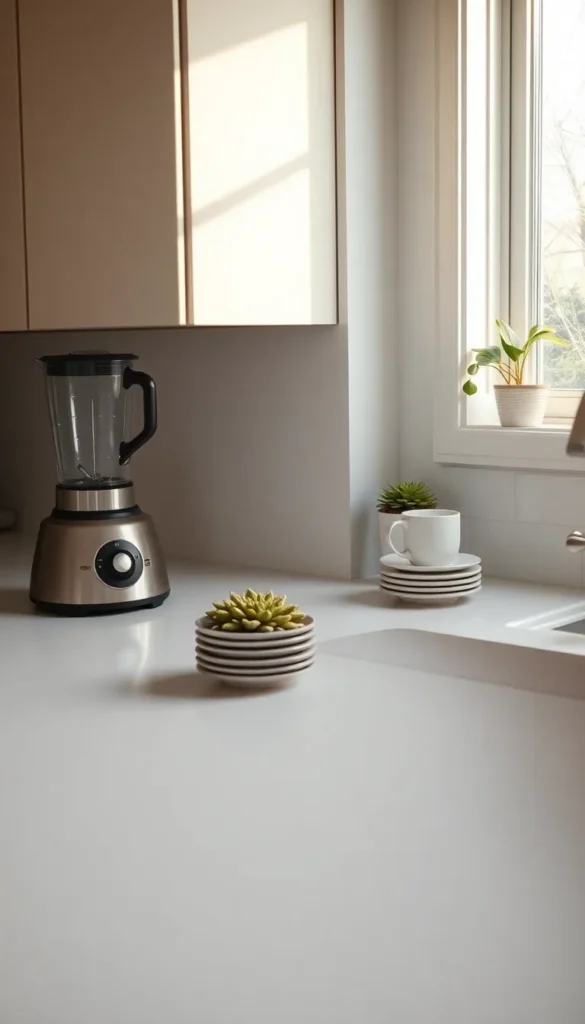
No amount of storage will fix a space that has too much stuff in it.
Before you buy a single bin or basket, go through every room and remove what you do not use, need, or love. Donate it. Sell it. Let it go.
Storage products organize what you keep. They do not solve the problem of keeping too much.
Spend one weekend doing a serious declutter before investing in any organization system. You will need far less storage than you thought — and the space will feel better immediately.
Conclusion
A small space only feels overwhelming when it lacks a real system. Every idea in this list works in real homes, real budgets, and real life. You do not need a renovation or a big spending spree to get organized. Start with one problem area — maybe the entryway, maybe the closet, maybe just one chaotic drawer. Fix that first. Then move to the next spot. Small, consistent changes stack up fast. Within a few weekends, the same square footage you have always had will start to feel completely different. Calm, clear, and actually workable.