Every year, the same heartbreaking moment: you pull out your favorite cozy sweater from storage only to find it riddled with moth holes, smelling musty, or stretched beyond recognition. Sound familiar? The good news is that storing seasonal clothes the right way takes just a little prep — and it saves you from replacing pieces you love. Here’s exactly how to do it.
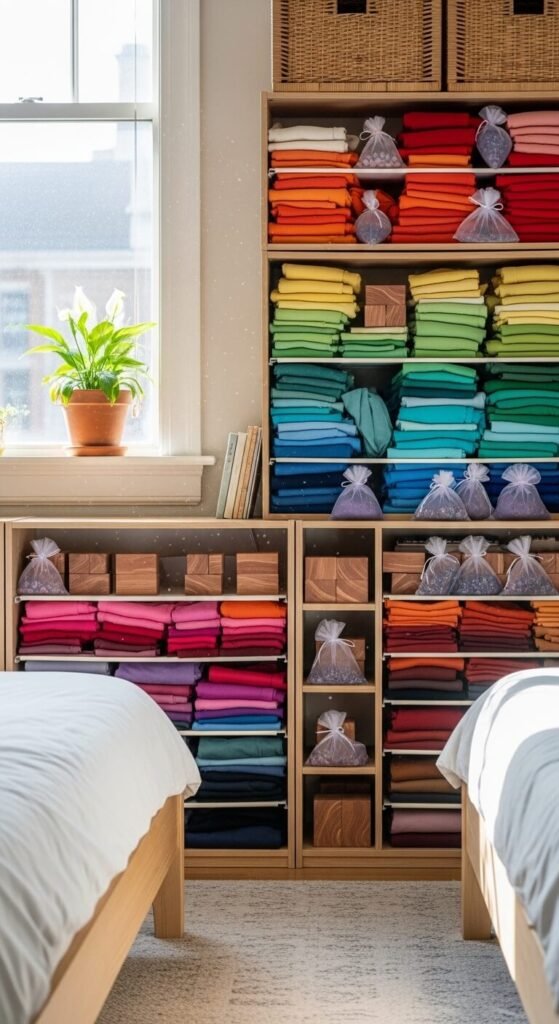
Step 1: Wash Everything Before You Store It
This is the step most people skip — and it’s the most important one.
- Never store dirty clothes. Even invisible stains (think body oils, food residue, perfume) attract insects and cause yellowing over time.
- Wash or dry-clean every single item before it goes into storage.
- Make sure everything is completely dry before packing. Even slight dampness leads to mildew.
Pro tip: For delicate items like cashmere or wool, hand wash in cold water with a gentle detergent and lay flat to dry completely — never hang them, as this stretches the fabric.
Step 2: Sort, Edit, and Declutter First
Storage is the perfect time to reassess your wardrobe.
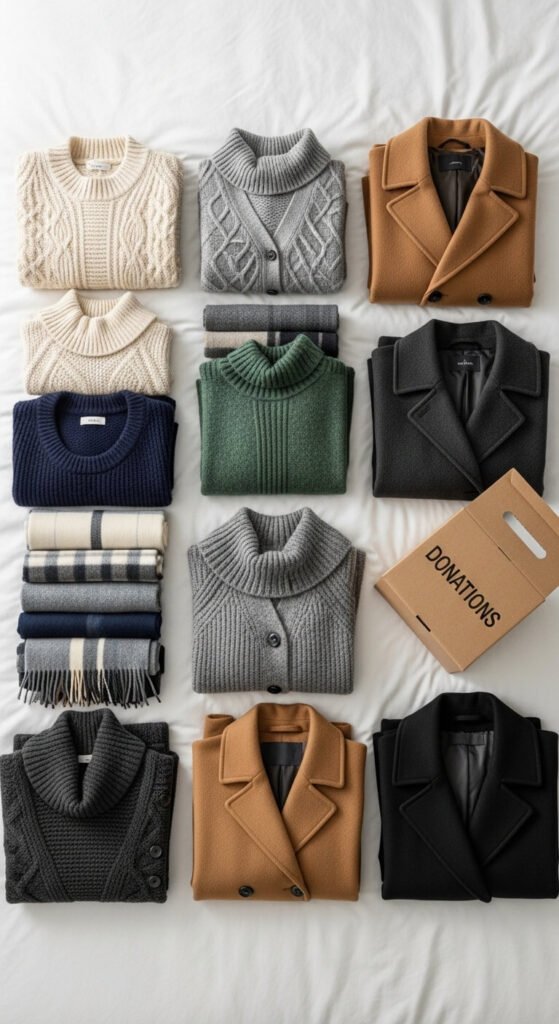
- Ask yourself: Did I wear this last season? If not, donate or sell it.
- Check each piece for damage — loose buttons, broken zippers, small tears. Repair them now so they’re ready to wear when the season returns.
- Group items by category (sweaters, coats, boots, etc.) to make unpacking a breeze.
Step 3: Choose the Right Storage Containers
Not all storage solutions are created equal.
Best options:
- Clear plastic bins with lids — airtight, stackable, and you can see what’s inside without opening everything
- Cotton canvas storage bags — great for items that need to breathe, like wool and cashmere
- Vacuum-seal bags — ideal for bulky items like comforters and puffy jackets; saves a ton of space
What to avoid:
- Plastic dry-cleaning bags — they trap moisture and off-gas chemicals that can yellow fabric
- Cardboard boxes — they absorb moisture and attract pests
- Wire hangers for long-term storage — they distort the shape of garments
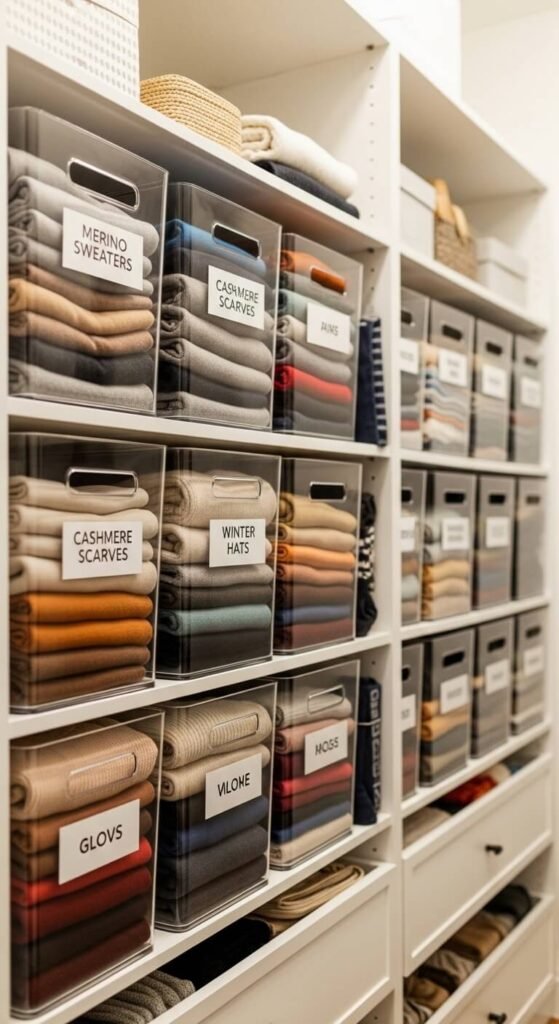
Step 4: Use the Right Pest Deterrents
Moths are the silent destroyers of seasonal wardrobes — especially anything made from natural fibers.
- Cedar blocks or cedar balls are a natural, chemical-free deterrent. Place them directly in your storage bins or closet. Refresh them by sanding lightly every season.
- Lavender sachets also repel moths and leave clothes smelling fresh.
- Avoid mothballs if possible — they’re toxic and leave a smell that’s nearly impossible to get out of fabric.
If you’ve had a moth problem before, store wool, cashmere, and silk in airtight containers for extra protection.
Step 5: Store in the Right Location
Where you store matters just as much as how.
- Avoid attics and basements — temperature swings and humidity cause fabric to break down, fade, and grow mildew.
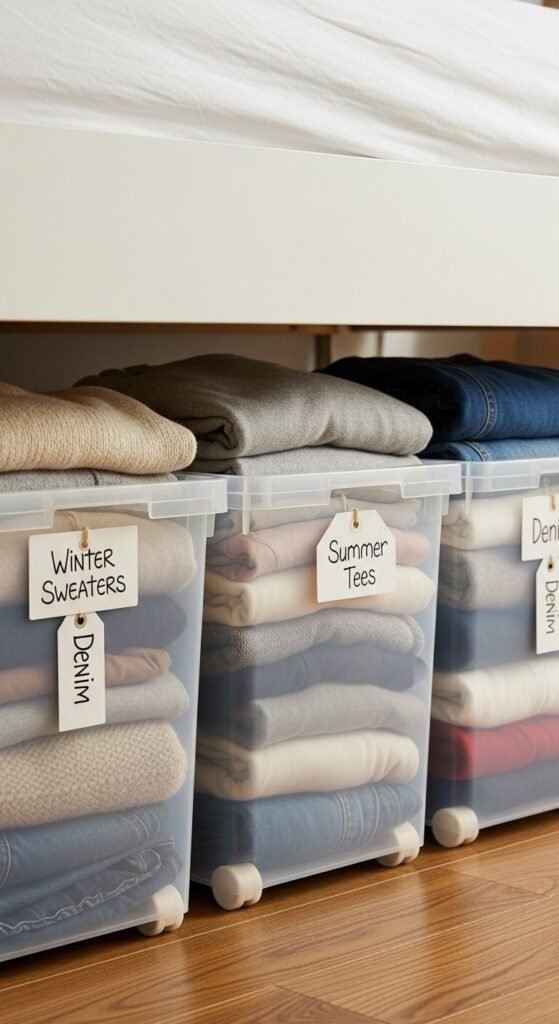
- The best spots are under-bed storage, spare closets, or cool, dry rooms with stable temperatures.
- Keep clothes away from direct sunlight, which fades colors over time.
- For hanging items like coats and dresses, use breathable garment bags (cotton or non-woven) and padded hangers to preserve their shape.
A Few Extra Tips Worth Knowing
- Fold, don’t hang knitwear — hanging heavy sweaters causes them to stretch and lose their shape.
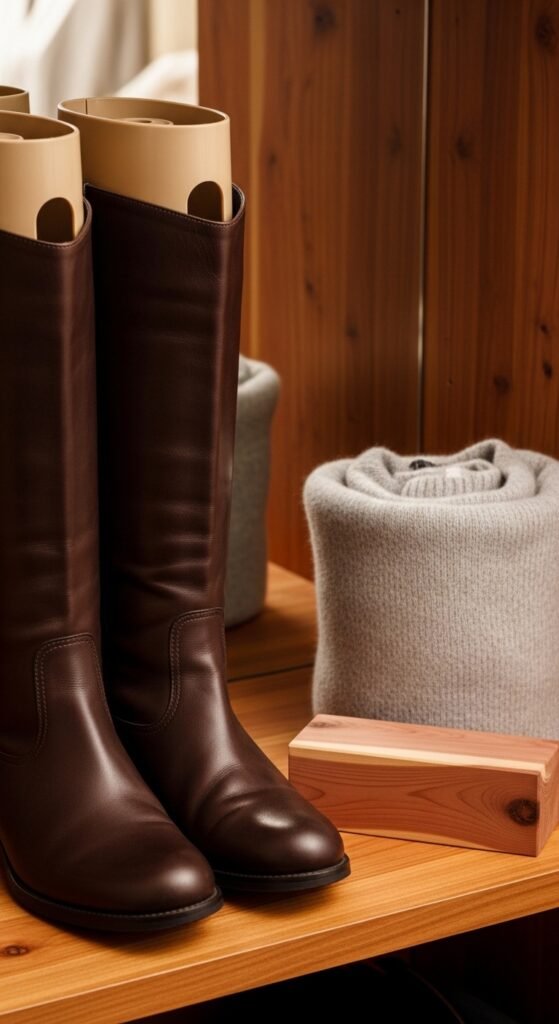
- Stuff boots with boot shapers or rolled magazines to help them hold their form.
- Label everything — you’ll thank yourself six months from now.
- Do a quick mid-season check if storing for longer than three months, just to catch any moisture or pest issues early.
The Takeaway
Taking an extra hour or two at the end of each season to wash, sort, and properly store your clothes means they’ll come out looking (and smelling) just as good as when you put them away. Your wardrobe is an investment — treat it like one.
Save this guide for your next seasonal switchover, and share it with anyone who’s ever opened a storage bin to a nasty surprise!