You open the medicine cabinet at midnight looking for a painkiller — and a cascade of bottles, mystery pills, and expired cough syrup from three years ago tumbles into the sink. Sound familiar? A disorganized medicine cabinet isn’t just frustrating — it’s a genuine safety risk. Taking outdated or improperly stored medication can be ineffective at best, and dangerous at worst. The good news? A 30-minute reset can transform your cabinet into a clean, organized, and genuinely useful health hub.
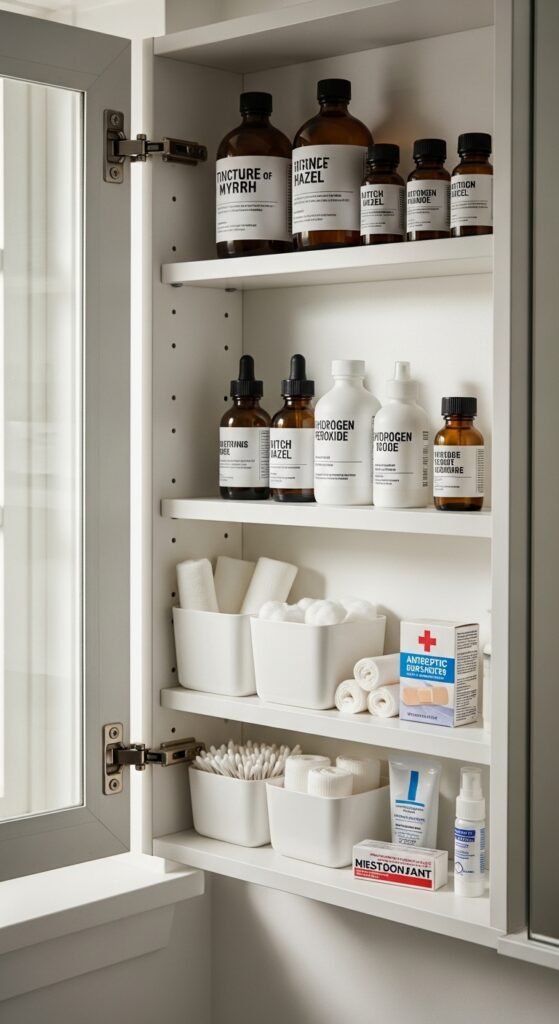
Step 1: Pull Everything Out First
Don’t try to organize around what’s already there. Take everything out and place it on a clean, flat surface — your bathroom counter or a towel on the floor works perfectly.
This gives you:
- A full view of what you actually have
- The chance to wipe down the shelves before restocking
- A fresh start with zero assumptions
Group items loosely as you pull them out: medications together, first aid supplies in a pile, vitamins and supplements in another. This makes the next step much easier.
Step 2: Check Every Single Expiration Date
This is the step most people skip — and it matters most. Expired medications don’t just lose potency; some can actually become harmful.
Here’s what to look for:
- Prescription medications — Check the label on the bottle. Most are good for 1–2 years from the fill date, not the manufacture date.
- Over-the-counter meds — Look at the bottom or side of the packaging for “EXP” followed by the date.
- Vitamins and supplements — These also expire. An expired vitamin B12 won’t hurt you, but it definitely won’t help you either.
- First aid items — Antiseptic wipes, antibiotic ointments, and even bandages have expiration dates. Check them all.
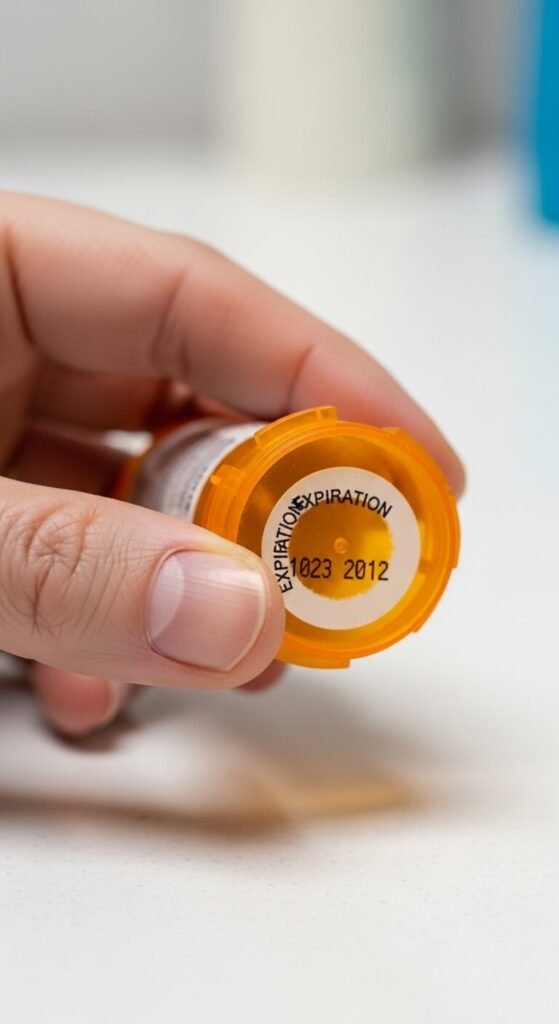
When in doubt, throw it out. If the packaging is damaged, the pills look discolored, or the liquid has separated — it goes in the trash regardless of the date.
Safe disposal tip: Don’t flush medications down the toilet (bad for water systems) or just toss them in the bin where kids or pets could find them. Many pharmacies have free medication drop-off programs — call yours to ask.
Step 3: Organize What You’re Keeping
Now that you’ve culled the expired items, it’s time to put things back with intention.
Group by category and frequency of use:
- Daily items (vitamins, common pain relievers) → Front and center, eye level
- Occasional use (cold medicine, allergy meds, antacids) → Middle shelf
- First aid supplies (bandages, gauze, antiseptic) → Lower shelf or a dedicated bin
- Prescription medications → Separate clearly, preferably in labeled containers
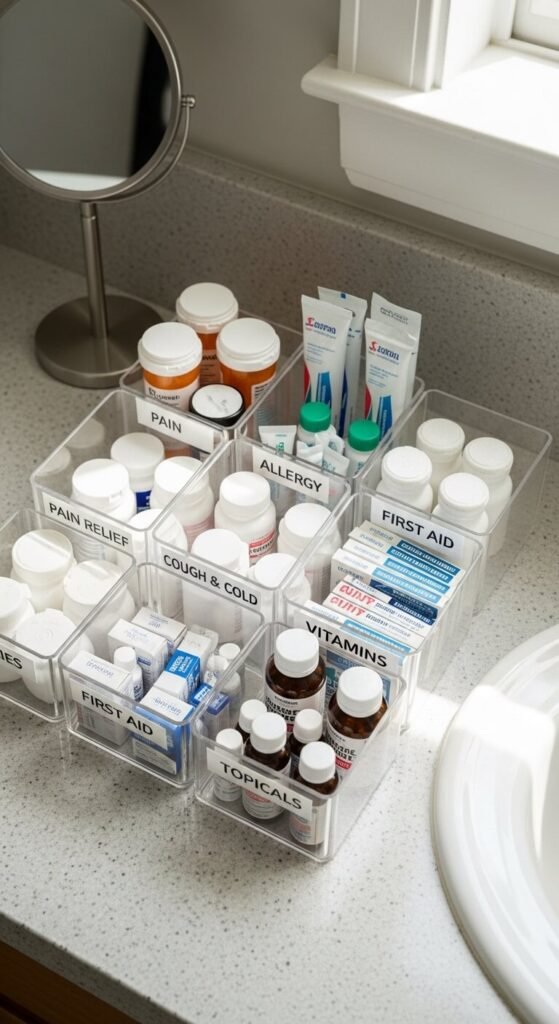
Pro tips for smarter storage:
- Use small bins or clear acrylic organizers — they keep things from getting buried
- Label each section so everyone in the household knows the system
- Store liquid medications upright to prevent leaks
- Keep a small notepad inside to jot down when you open something or notice you’re running low
Step 4: Reconsider Where You Store Medications
Here’s a counterintuitive truth: the bathroom medicine cabinet is actually one of the worst places to store most medications. Heat and humidity from showers accelerate the breakdown of pills and liquid meds.
Better storage spots:
- A cool, dry drawer or shelf in your bedroom
- A high kitchen cabinet (away from the stove)
- A dedicated lockbox if you have children or pets in the home
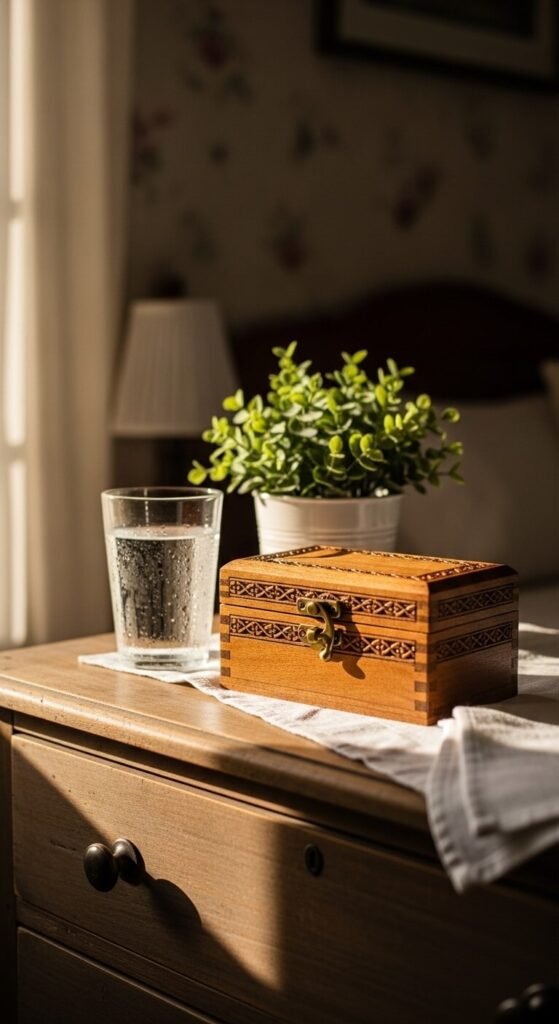
The bathroom is still fine for things you grab in the moment — bandages, thermometer, cotton balls. But move your actual medications somewhere cooler and drier if you can.
Step 5: Set a Reminder to Recheck Twice a Year
Organizing once is great. Maintaining it is what actually keeps your household safe.
A simple system:
- Set a phone reminder every 6 months — spring and fall work perfectly, or tie it to daylight saving time changes
- Do a quick sweep every time you add a new item — check if it replaces something that should be discarded
- Keep a running list of items you need to restock so you’re never caught without something important
Your Medicine Cabinet, Sorted
A clean, safe medicine cabinet is one of those small home improvements that genuinely pays off. You’ll save time during stressful moments, protect your family from accidentally using expired products, and always know exactly what you have on hand.
Save this guide and make it a twice-yearly habit — your future self fumbling around for cold medicine at 2 a.m. will thank you.