Ever walk into a room and immediately feel like you can breathe? That’s not magic — it’s intentional furniture arrangement. The way you place your pieces can transform a cramped, cluttered space into one that feels open, functional, and effortlessly stylish. Whether you’re moving into a new home or simply tired of bumping into the coffee table, these layout strategies will help you maximize every square foot.
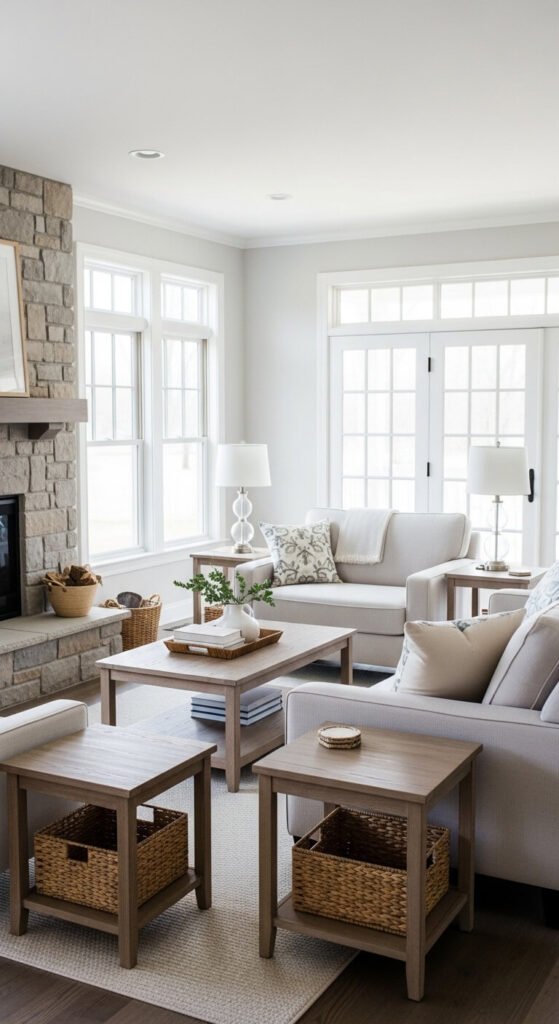
Start with a Floor Plan (Before Moving a Single Thing)
Rearranging furniture without a plan is a recipe for a sore back and wasted time. Before you push the sofa across the room, map it out first.
- Measure your room — length, width, doorways, windows, and outlets.
- Sketch a rough floor plan on grid paper or use a free app like Planner 5D or RoomSketcher.
- Mark the room’s focal point — a fireplace, TV wall, or large window. This anchors the entire layout.
The goal is to create clear pathways of at least 30–36 inches between pieces so people can move naturally through the space.
Define Zones in Open-Plan Spaces
Open-concept rooms look beautiful, but they can feel chaotic without intentional zones. Use furniture placement — not walls — to define each area.
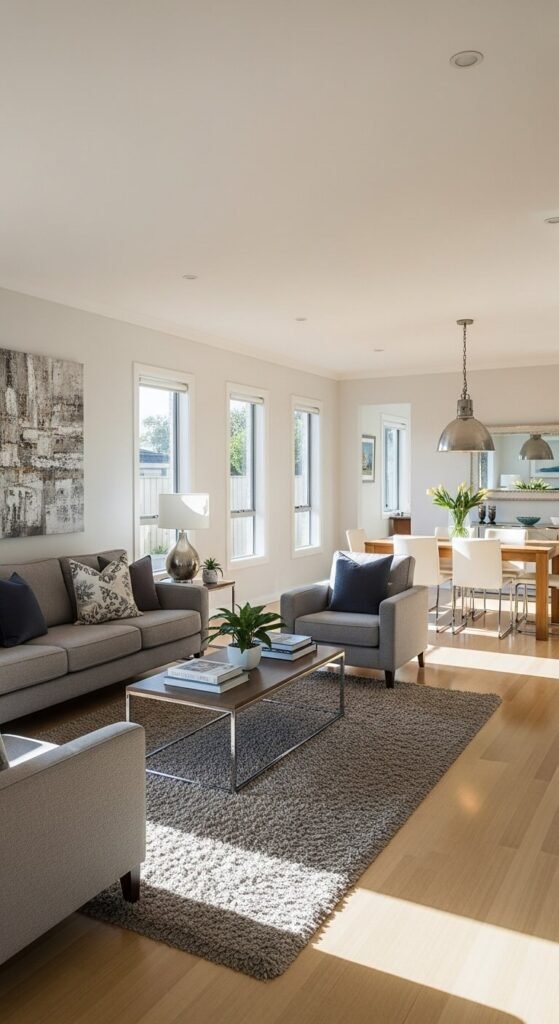
- Rugs are your best friend. A rug placed under a seating arrangement visually “rooms” that area within a larger space.
- Float furniture away from walls. Pulling pieces toward the center of the room creates cozy, defined groupings.
- Use a bookshelf or console table as a subtle divider between a living room and dining area.
Use Furniture with Built-In Storage
Here’s the secret to a clutter-free home: stop treating storage as an afterthought. Choose pieces that work double duty.
- Ottoman with a lift-top lid — use it as a coffee table, extra seating, and a toy or blanket storage bin.
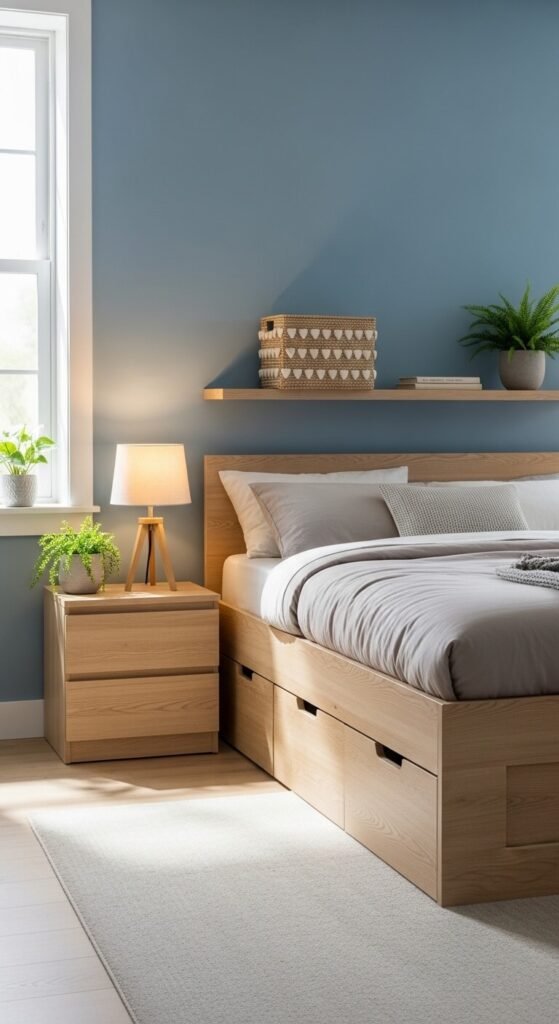
- Bed frames with drawers underneath — a game-changer in small bedrooms.
- Entryway benches with cubbies — keep shoes, bags, and seasonal items corralled the moment you walk in.
- Floating shelves above desks, sofas, or in awkward corners — they add storage without eating floor space.
Work with the Room’s Natural Flow
Furniture should guide people — not block them. Think about how you actually use each room throughout the day.
- Keep pathways to doors and windows clear at all times.
- In a living room, arrange seating so everyone can see the focal point without craning their neck.
- Place a sofa or accent chair to face natural light sources — it makes the space feel warmer and more inviting.
- In a dining room, leave at least 36 inches between the table and the wall so chairs can pull out comfortably.
The “conversation circle” rule is a classic: arrange seating so people don’t have to shout across the room to talk. Aim for pieces to be no more than 8 feet apart in a seating arrangement.
Don’t Forget Vertical Space
Most people only think horizontally when arranging a room. But walls are prime real estate.
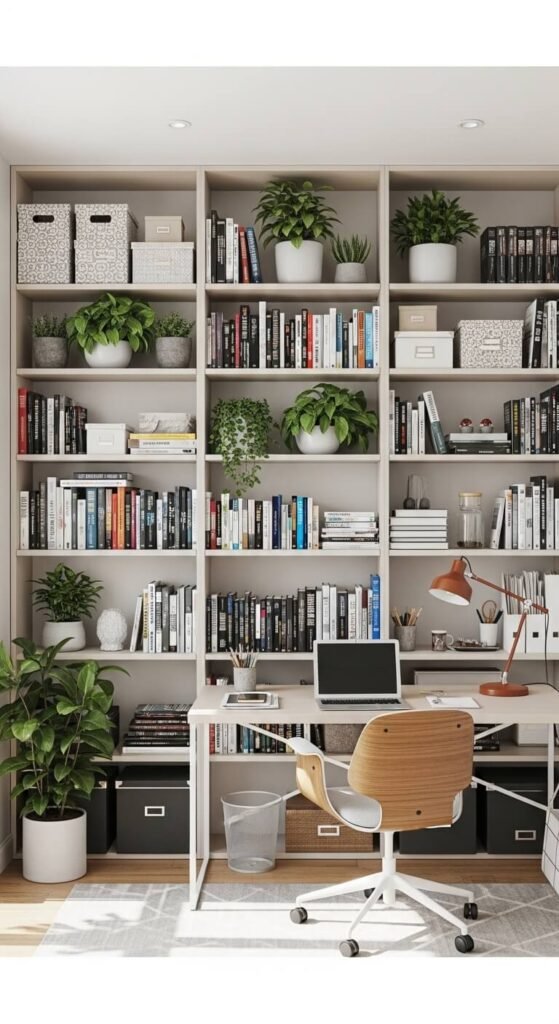
- Stack shelving units floor to ceiling to maximize storage in home offices, living rooms, and bedrooms.
- Hang wall-mounted cabinets in kitchens and bathrooms to free up counter space.
- Use tall, narrow furniture — a slim bookcase or tall dresser — in rooms with limited floor space.
The Final Walkthrough
Once everything is in place, do a slow lap around the room. Ask yourself:
- Can I walk comfortably from one side to the other?
- Does each piece have a clear purpose?
- Is there hidden storage I’m not using?
If something feels off, trust that instinct — small tweaks make a huge difference.
Save this article and pin it for your next room refresh! A well-arranged space doesn’t just look better — it genuinely feels better to live in every single day. Your home should work for you, not against you. 🏡