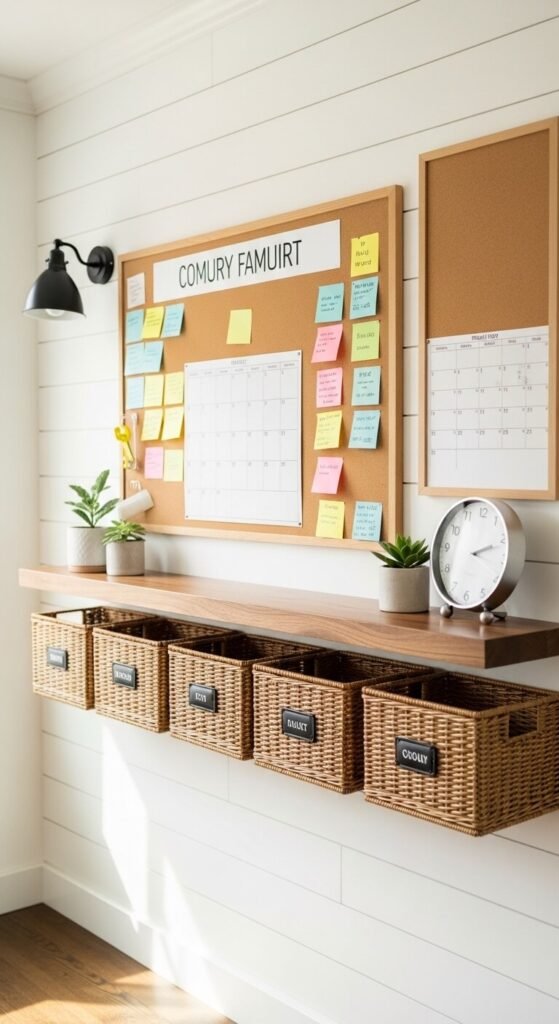
A messy entryway. A forgotten permission slip. A bill you swore you paid. Sound familiar? A home command center fixes all of that. It’s a dedicated wall space — or even just a corner — where your household gets organized at a glance. Whether you’re managing a busy family schedule or just trying to keep your own life on track, the right setup saves time, reduces stress, and makes your home feel calmer. These 26 ideas range from free DIY hacks to simple weekend projects, so there’s something here for every space and budget.
1. The Family Calendar Wall
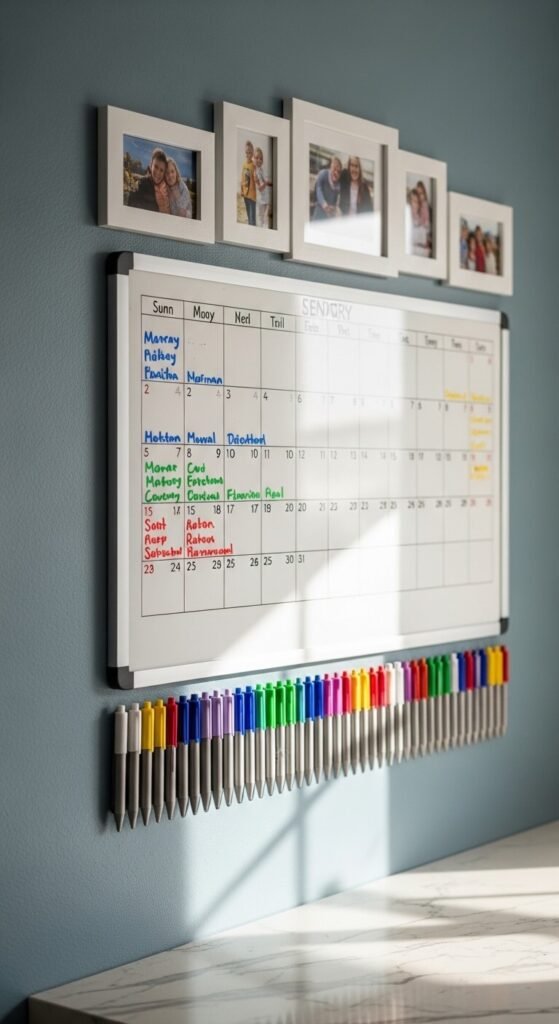
A shared calendar is the backbone of any command center. Color-code each family member so schedules are readable at a glance. A large dry-erase calendar costs about $20 at most office supply stores. Mount it at eye level near the door everyone uses most. Prefer free? Print a monthly template and slip it into a dollar-store frame — write on it with dry-erase markers. Update it every Sunday so the week ahead is always clear.
2. Mail Sorting Station
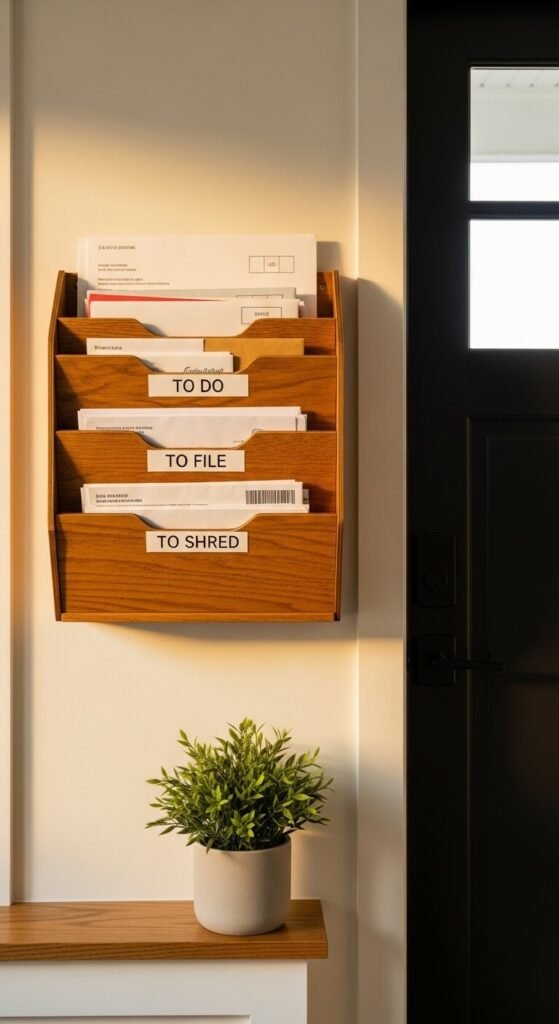
Paper clutter is the enemy. A simple mail sorter with labeled slots — “To Do,” “To File,” “To Shred” — stops piles before they start. Wall-mounted versions start at around $15. A DIY option: repurpose a magazine rack or stack wooden crates from a craft store. Place it right where you drop your bag so sorting becomes automatic. Deal with each slot once a week and paper chaos becomes a thing of the past.
3. Charging Station Shelf
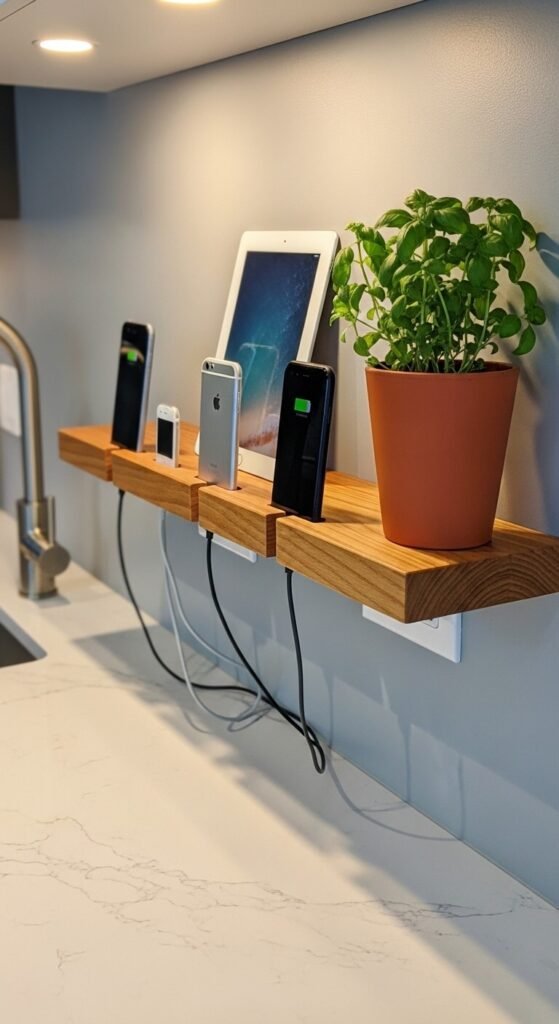
Phones on the counter, tablets on the couch — chargers everywhere. A dedicated charging shelf near an outlet solves this fast. Buy a $25 bamboo charging station organizer, or drill small holes in a floating shelf to thread cables through neatly. Label each slot with a small tag so everyone knows where their device lives. Bonus: charging overnight in a central spot keeps devices out of bedrooms, which is better for sleep.
4. Weekly Meal Planning Board
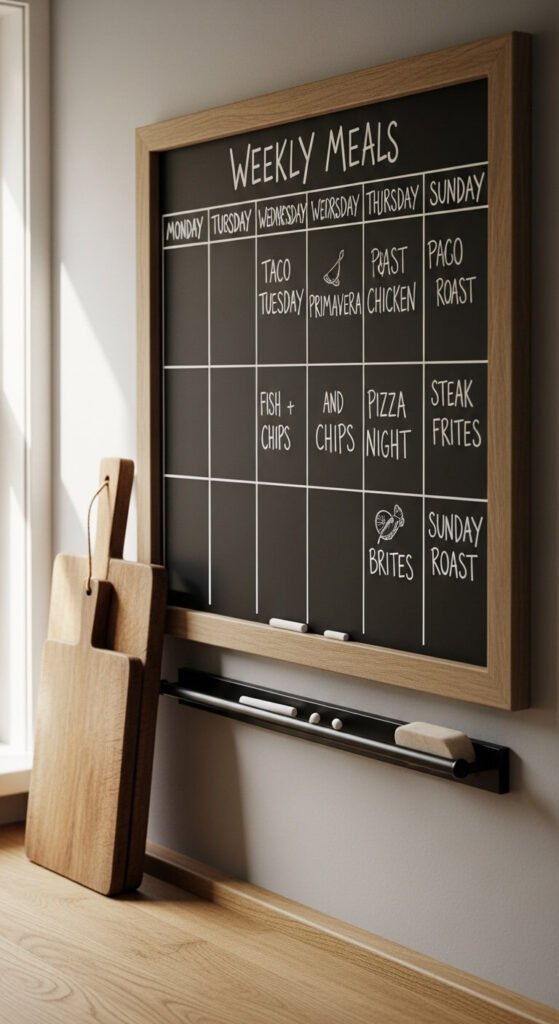
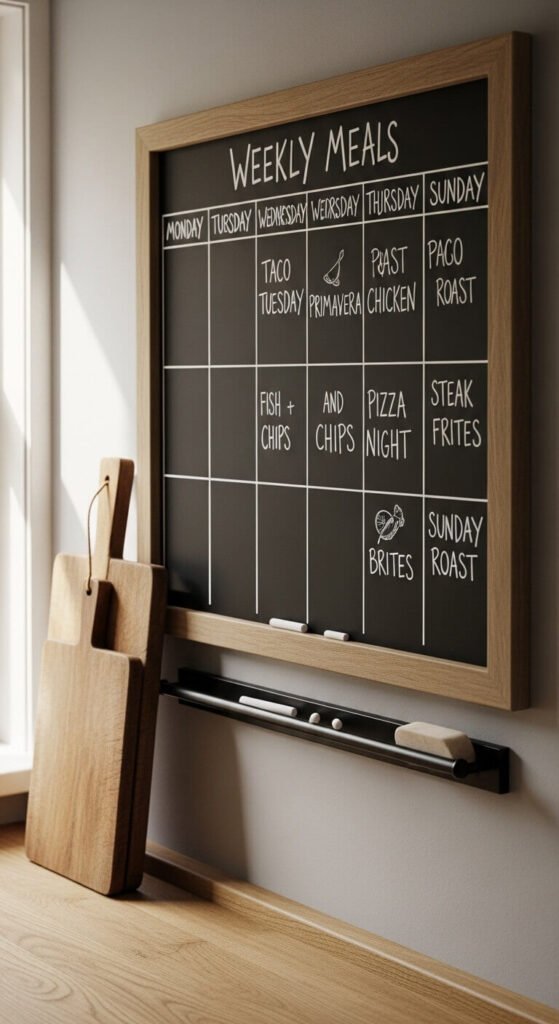
Staring into the fridge at 5 PM is a daily struggle. A meal planning board ends the guesswork. Use a chalkboard, a dry-erase board, or even a framed piece of dark card stock. Divide it into seven columns — one per day. Fill it in on Sunday. List dinner only, or go all in with breakfast and lunch too. Knowing the plan also makes grocery shopping faster and cheaper. Less food waste, fewer last-minute takeout orders.
5. Key and Bag Hook Wall
Lost keys are a tax on your morning. A dedicated hook wall near the front door makes “where are my keys?” a non-issue. A row of five wall hooks costs under $15 at any hardware store. Add one hook per person in your household, plus a few extras for bags and dog leashes. Mount a small tray or bowl below for sunglasses and loose change. Make it a rule: keys go on the hook the second you walk in.
6. Homework and Kids’ Activity Corner
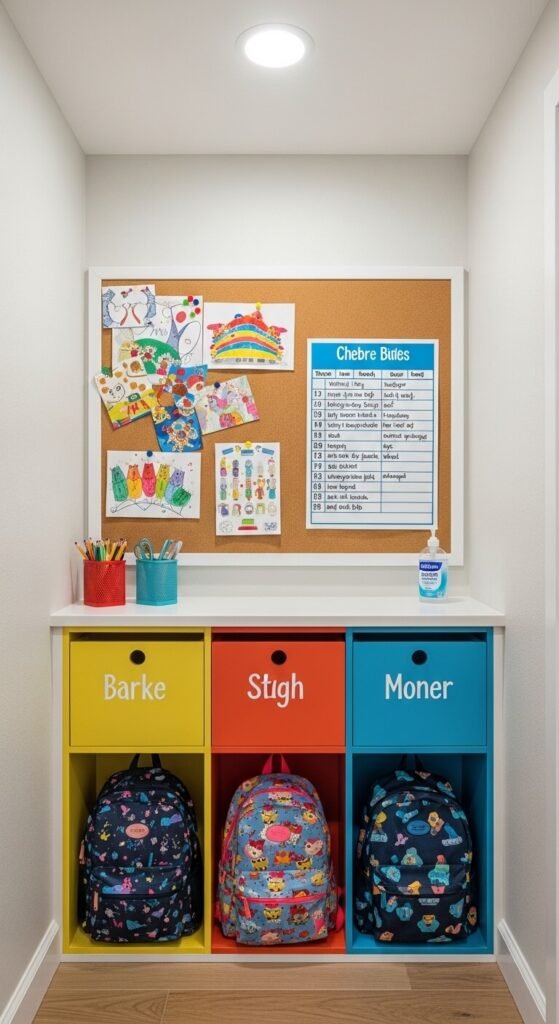
Kids bring home a constant stream of papers, projects, and permission slips. A dedicated homework corner inside the command center keeps it all in one place. Add a small corkboard for artwork and school notices. Use labeled cubbies or bins — one per child — for backpacks and folders. A pencil cup and a stapler nearby means no more hunting for supplies. This corner teaches kids organization habits they’ll carry for life.
7. Grocery and Errand List Pad
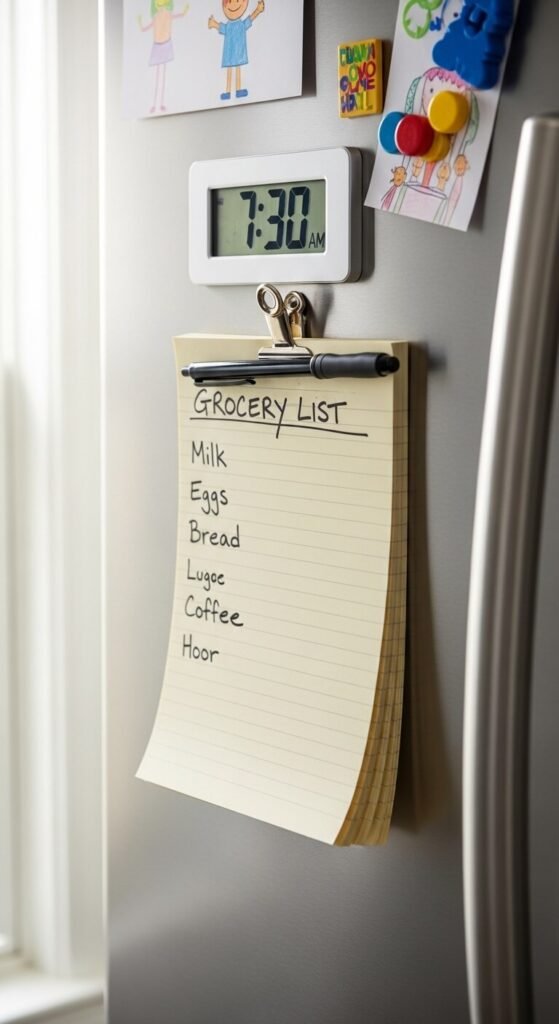
Running to the store and forgetting the one thing you needed — again. Fix it with a magnetic notepad or tear-off list pad mounted right in the command center. When you finish the last of something, jot it down immediately. Some families keep one list for groceries and a second for errands. A pad of 50 sheets costs about $3. Prefer digital? Mount a small whiteboard and snap a photo of the list before you leave.
8. Corkboard Vision and Reminder Board
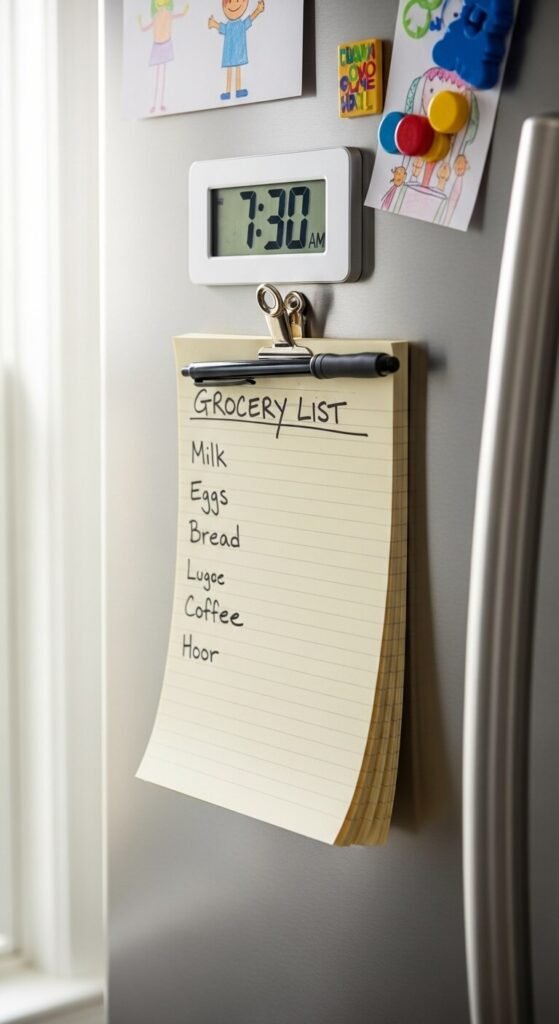
A corkboard does more than hold reminders — it holds intentions. Pin your weekly priorities, a motivating quote, or a photo of something you’re working toward. Add appointment reminders and permission slips too. Cork tiles from a hardware store cost about $10 for a pack and can cover a full wall section. Frame it with thin wood trim for a polished look. Refresh it weekly so it stays relevant and useful.
9. Budget and Bill Tracker Clipboard
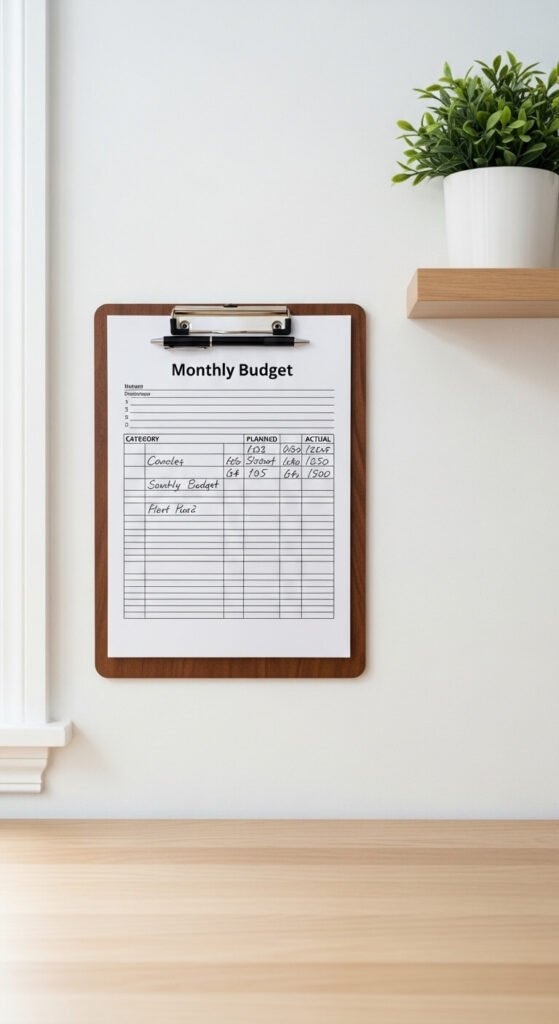
Bills sneak up when you’re not watching. A budget tracker clipboard in the command center keeps finances visible. Print a simple monthly budget sheet — dozens of free templates exist online — and update it weekly. Clip current bills to it so nothing gets forgotten. A decorative clipboard costs $5–$10. This one habit alone can stop late fees and overdrafts. Seeing the numbers regularly makes spending decisions feel more real.
10. Emergency Info Sheet
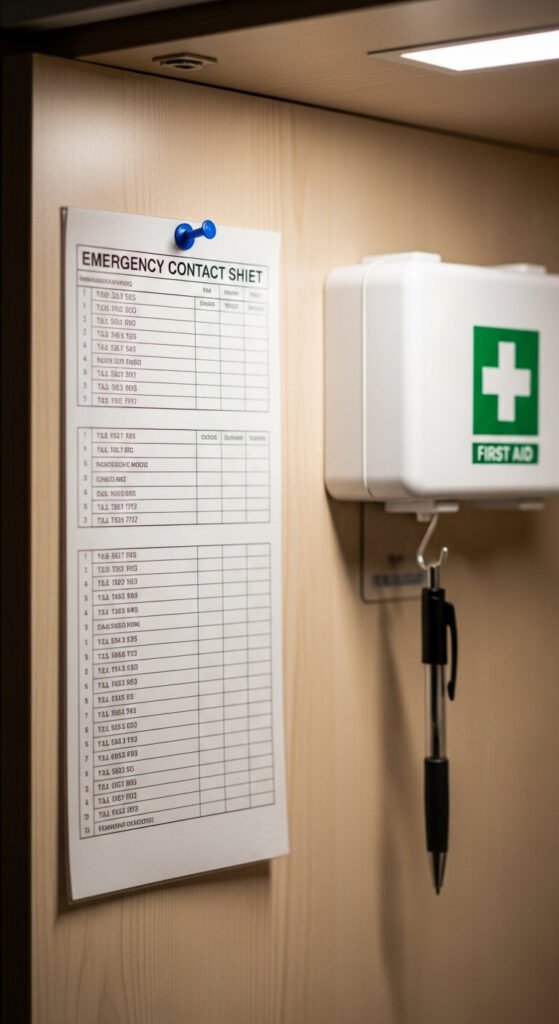
In an emergency, you don’t want to search your phone. A laminated emergency info sheet pinned in your command center keeps critical details ready. List doctor numbers, a neighbor’s contact, insurance info, and the address of your nearest urgent care. Update it once a year. Print it at home for free, laminate it for $1 at a copy shop, and pin it where anyone — including a babysitter — can find it fast.
11. Shoe and Boot Drop Zone
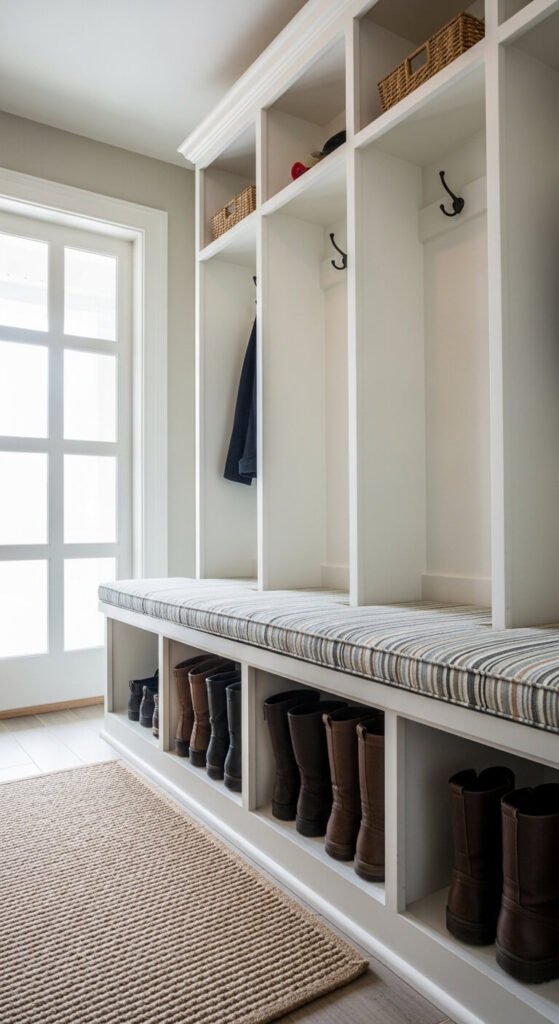
Shoes scattered across the entryway are a tripping hazard and an eyesore. A shoe drop zone built into your command center keeps things tidy. A simple open cubby bench ($40–$80) gives each family member their own spot. No room for furniture? Mount a low shelf along the wall and keep a woven basket below. Add a small boot tray to catch mud and rain. The rule: shoes off, shoes away.
12. Pet Care Station
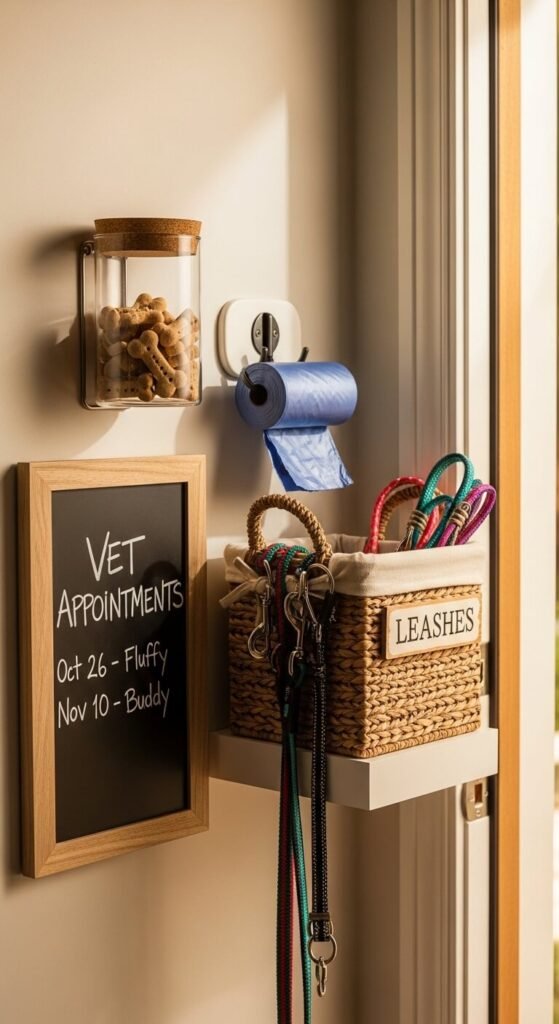
Pets have routines too. A pet care corner in your command center keeps it all in one spot. Hang leashes on a hook. Store bags, collars, and grooming supplies in a labeled basket. Add a small board to track vet appointments and flea treatment dates. If your pet takes medication, include a simple tracker so nothing gets skipped. This is especially handy if multiple people in the household share pet duties.
13. Whiteboard To-Do List
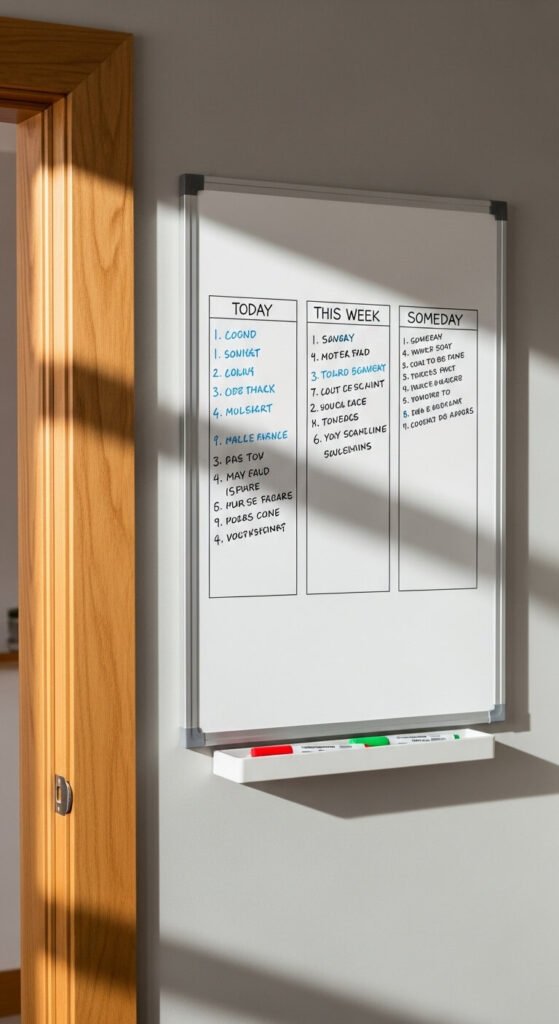
A to-do list you can’t ignore. A whiteboard mounted at eye level in your command center makes your tasks visible every time you walk by. Divide it into three columns: Today, This Week, and Someday. Check things off in real time. A small framed whiteboard costs $15–$25. Prefer a no-buy option? Paint a section of wall with dry-erase paint (about $20 a can) for a seamless built-in look.
14. Morning Routine Checklist Strip
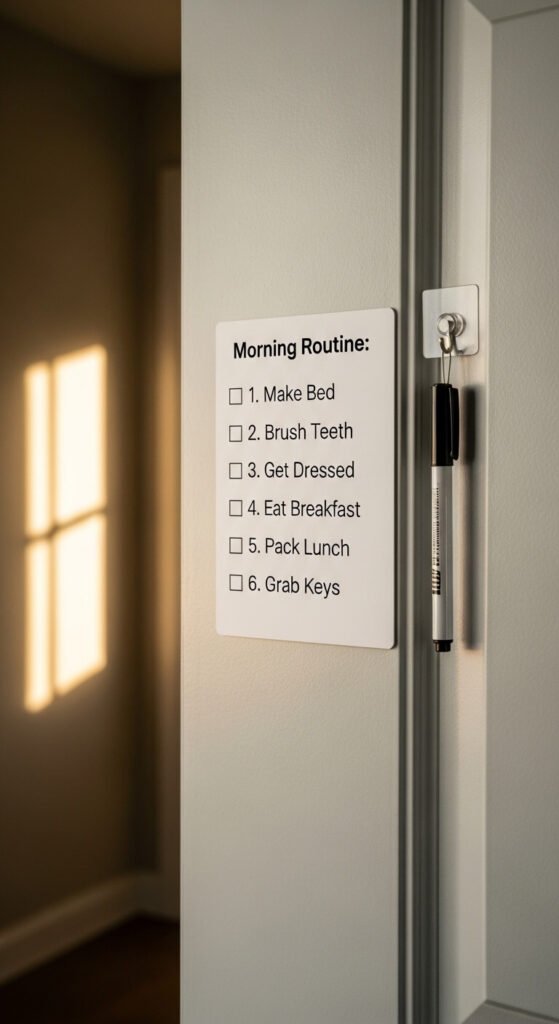
Mornings get chaotic. A laminated morning routine checklist posted on the command center — or the back of the door — keeps everyone on track. List the steps in order: wake up, brush teeth, pack bag, check calendar, grab keys. Kids love checking boxes. Adults do too. Laminate a printed list for $1 and use a dry-erase marker to check items off each morning. Wipe clean each night, ready for tomorrow.
15. Medicine and Health Tracker
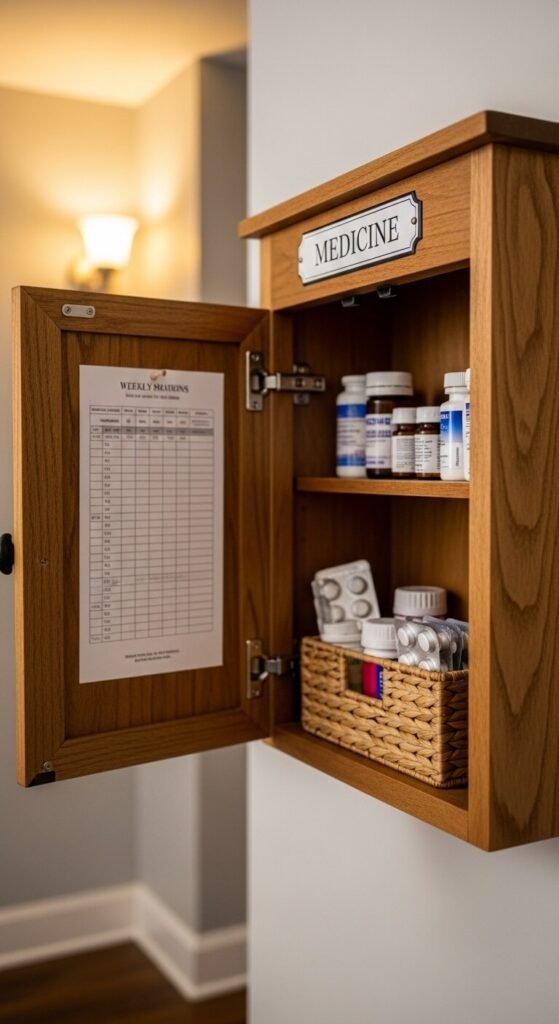
Keeping track of who takes what — and when — is harder than it sounds. A medicine tracker in your command center prevents missed doses and double-dosing. Use a printed weekly grid, one row per person. A small wall-mounted cabinet hides supplies while keeping them accessible. Label shelves clearly. If children are in the home, mount it higher and add a simple latch. Review the tracker every morning alongside the family calendar.
16. Habit Tracker Board
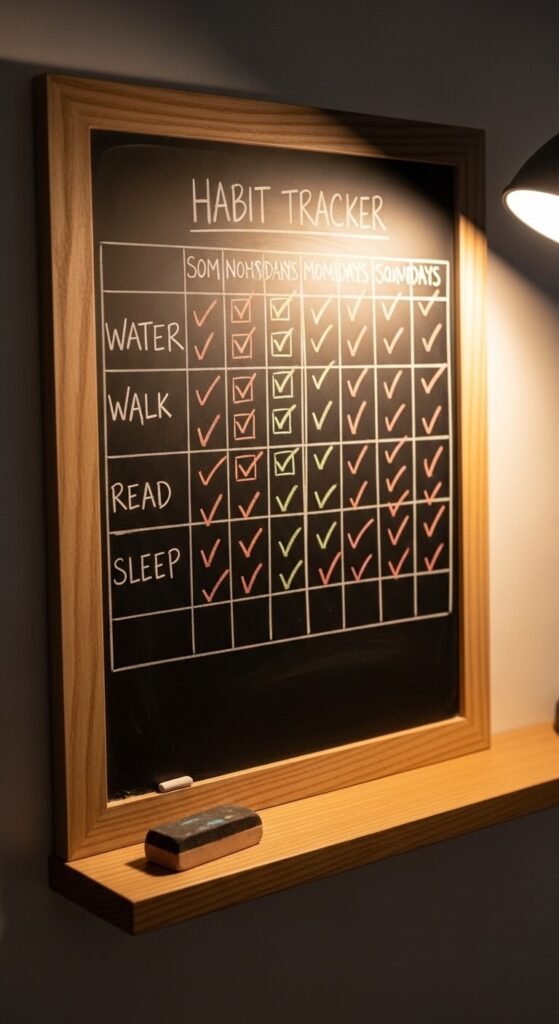
Small habits compound fast. A visual habit tracker in your command center makes daily wins visible. Draw a simple grid — habits on one axis, days of the week on the other. Check off each habit daily. Use a chalkboard, a dry-erase board, or even a printed sheet in a frame. Seeing a streak of checkmarks is motivating. Missing one day is okay — the goal is consistency over perfection, and the board keeps it honest.
17. Appointment and Event Countdown Strip
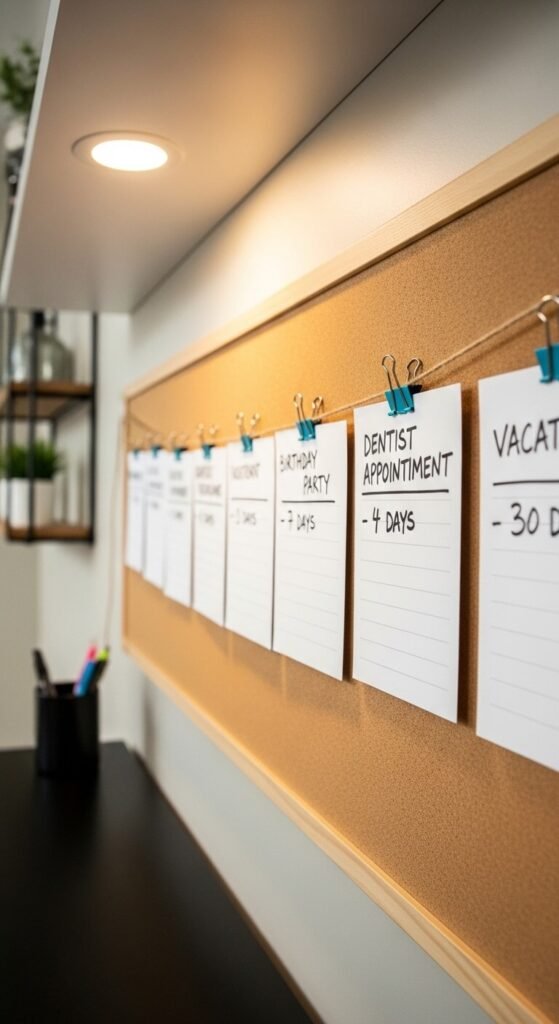
Big events sneak up. A countdown strip in your command center gives upcoming appointments, vacations, and deadlines a visual presence. Pin index cards to a thin corkboard strip — one card per event, with the date and days remaining. Update the count every Monday. It takes 30 seconds and prevents the “I completely forgot about that” panic. Great for kids who are excited about trips, birthdays, or school events too.
18. Family Rules or Values Board
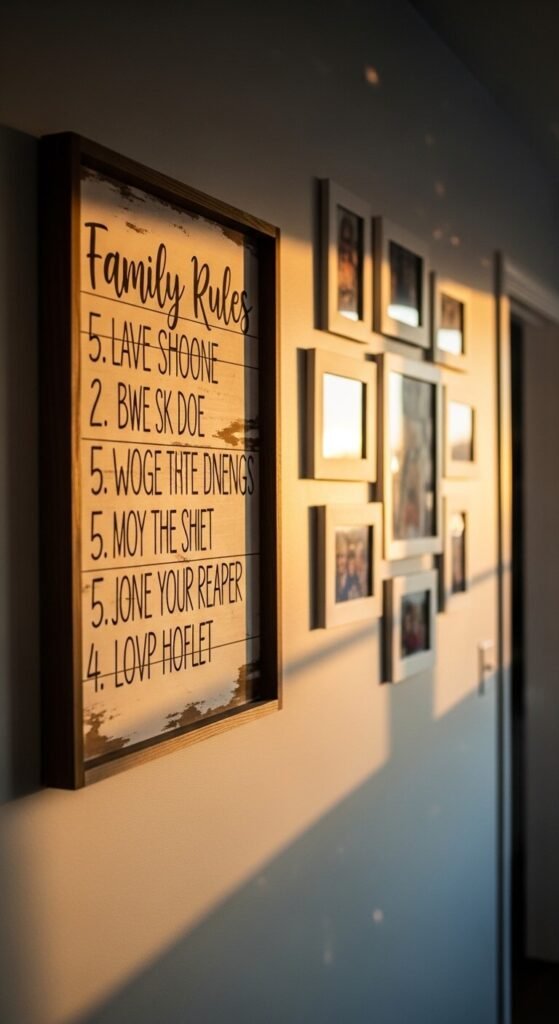
Some command centers go beyond logistics. A family values or house rules board makes your household culture visible. Keep it short — five rules max. Things like “We speak kindly” or “We clean up after ourselves.” Paint them on a wood plank or print and frame them. This isn’t about being rigid — it’s about having a shared foundation. Kids internalize what they see repeated. Put it where everyone passes daily.
19. Reusable Shopping Bag Station
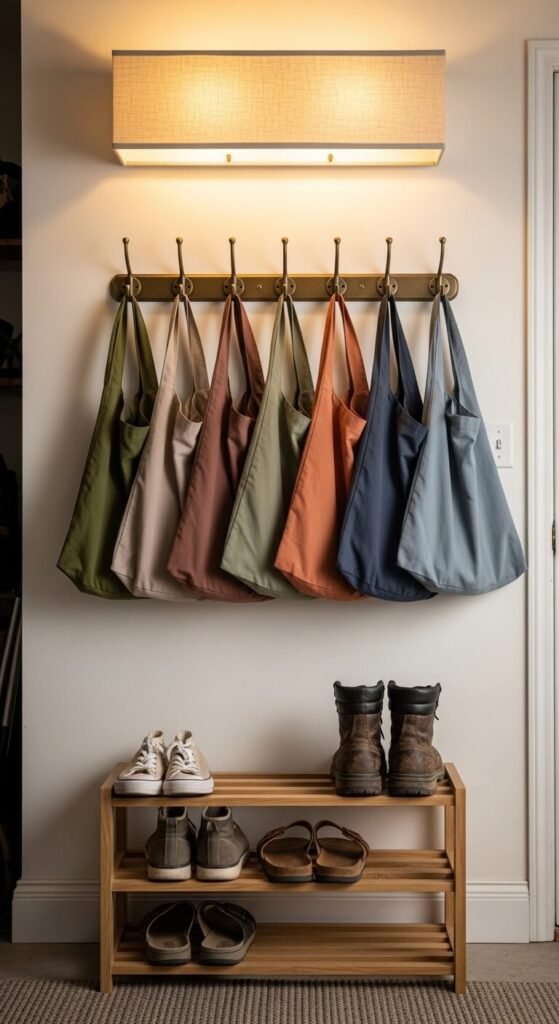
Reusable bags are useless if you forget them. A bag hook station near your exit door makes grabbing them automatic. Mount three to five hooks at a convenient height. Fold bags flat before hanging so they stay neat. Some people clip a small list of frequently bought items to one bag so they’re ready to shop immediately. This single habit reduces plastic waste and saves you the $0.10 per bag fee every grocery run.
20. Chore Chart Station
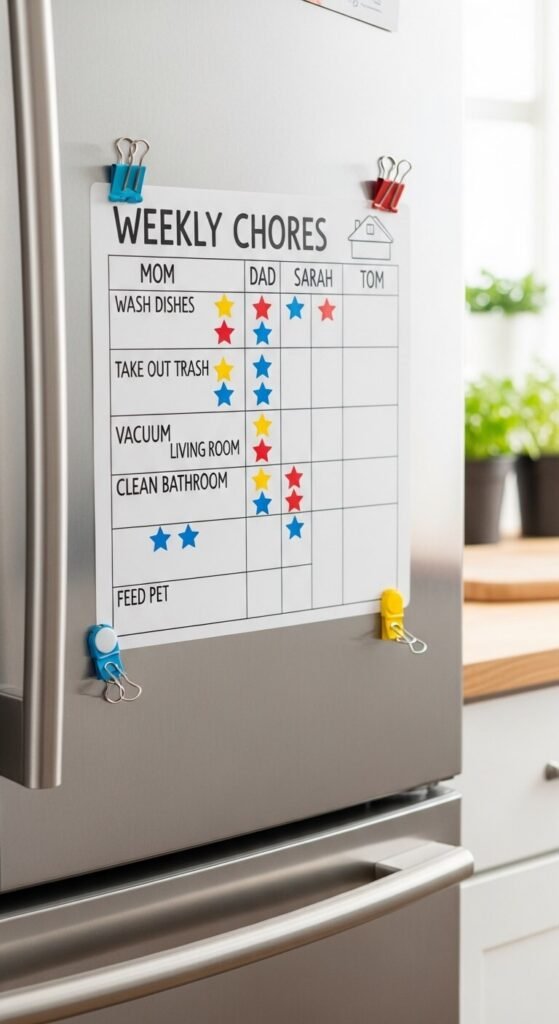
Chores get done when they’re assigned and visible. A chore chart mounted in the command center removes the guessing and the arguing. Print a grid with names across the top and chores down the side. Laminate it and use stickers or dry-erase marks to track completion. Rotate chores weekly so no one gets stuck with the same job. Kids as young as four can have a simple task on the chart — it builds responsibility early.
21. School Paper Processing Tray
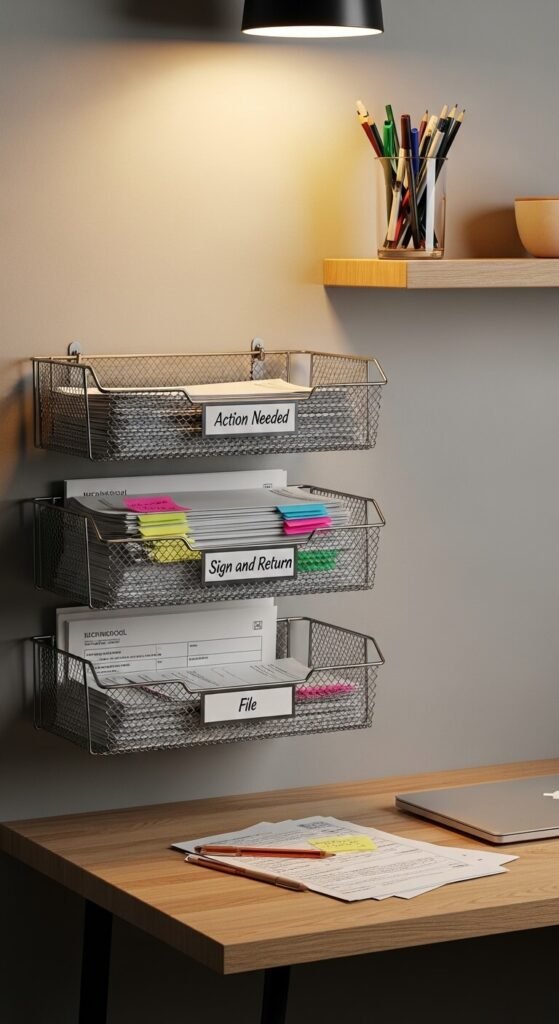
School papers multiply fast. A three-tier tray labeled “Action Needed,” “Sign and Return,” and “File” processes the daily flood without piling up. Mount it on the wall at adult eye level — out of reach from little hands. Go through it every evening, even briefly. It takes five minutes to sign forms and move things to the right spot. A wire wall-mount tray costs about $12 and saves hours of hunting each month.
22. Weekly Family Meeting Spot
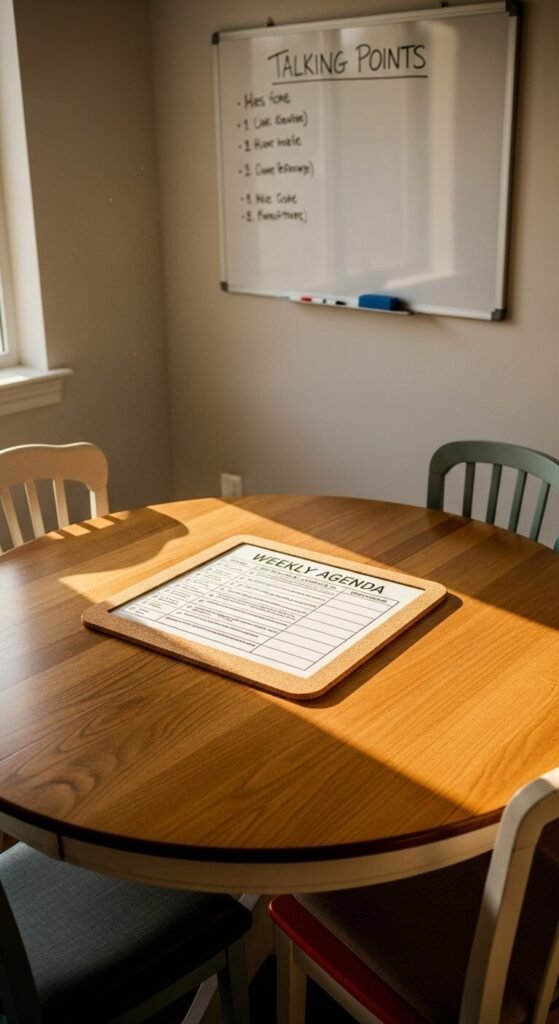
A 10-minute family meeting held at the command center once a week changes everything. Go over the calendar, review chores, talk about upcoming events, and flag anything that needs attention. Sunday mornings work well for most families. You don’t need a formal agenda — just the habit of gathering and checking in together. The command center becomes the meeting point, and the calendar and boards give everyone a shared reference.
23. Seasonal Reminder Clip Section
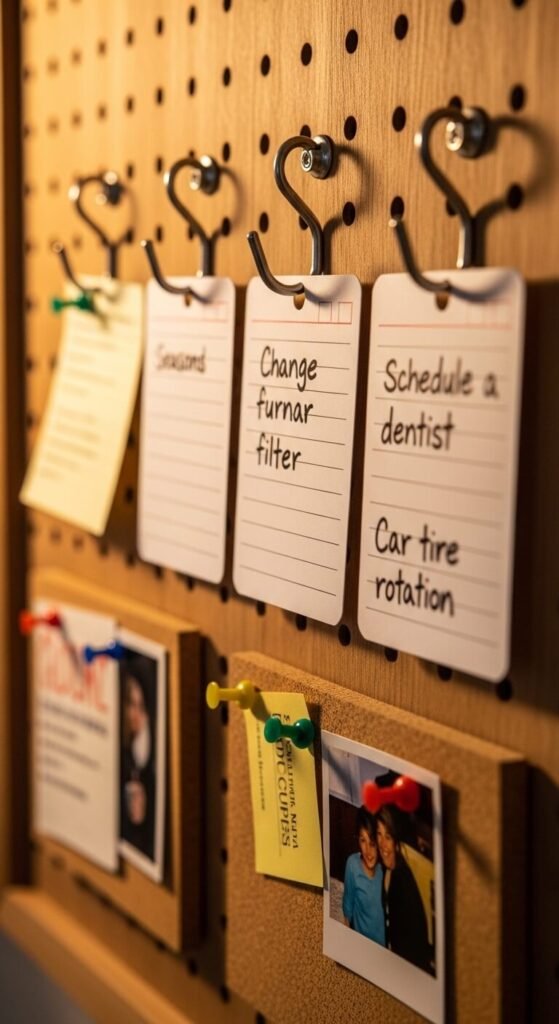
Some tasks only come up every few months — and that’s exactly when they get forgotten. A seasonal reminder section on your command center holds recurring tasks. Write them on index cards: change furnace filter, schedule dentist, check fire alarms, rotate tires. Hang them with clips or push pins. Flip to the next one when a task is done. These small maintenance jobs protect your home and health — keeping them visible means they actually happen.
24. Local Resource and Numbers Card
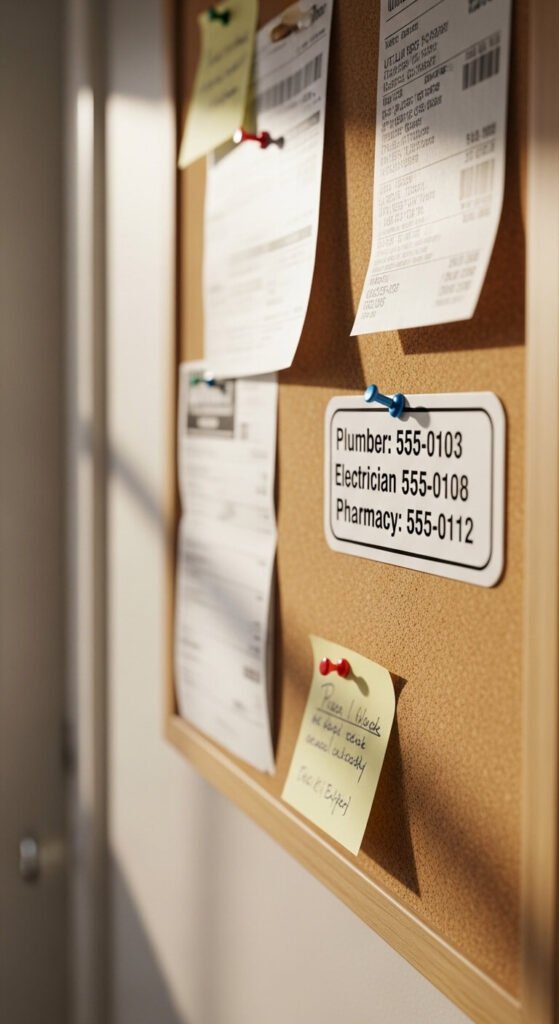
When the pipe bursts, you don’t have time to Google. A local resource card pinned in your command center lists numbers for your plumber, electrician, pediatrician, pharmacy, and trusted neighbors. Print it in a large, readable font. Laminate it for durability. Update it once a year. This card is especially useful for babysitters, house sitters, or anyone helping out when you’re away. Two minutes to make. Potentially hours saved in a stressful moment.
25. Inspiration and Gratitude Corner
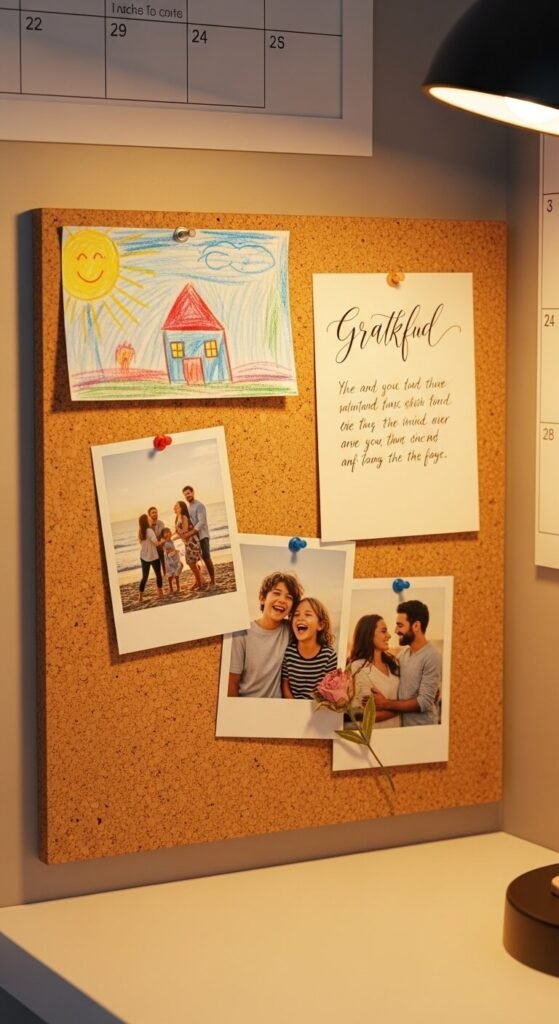
Command centers don’t have to be purely functional. A small inspiration corner — a few family photos, a thank-you note, a child’s drawing — makes the space feel human. This isn’t fluff. Research consistently shows that gratitude and positive anchors improve mood and focus. Dedicate one small section of your board to things that make you smile. Rotate photos monthly. It costs nothing and makes walking past the command center a tiny moment of warmth every day.
26. Pegboard Customizable Wall System
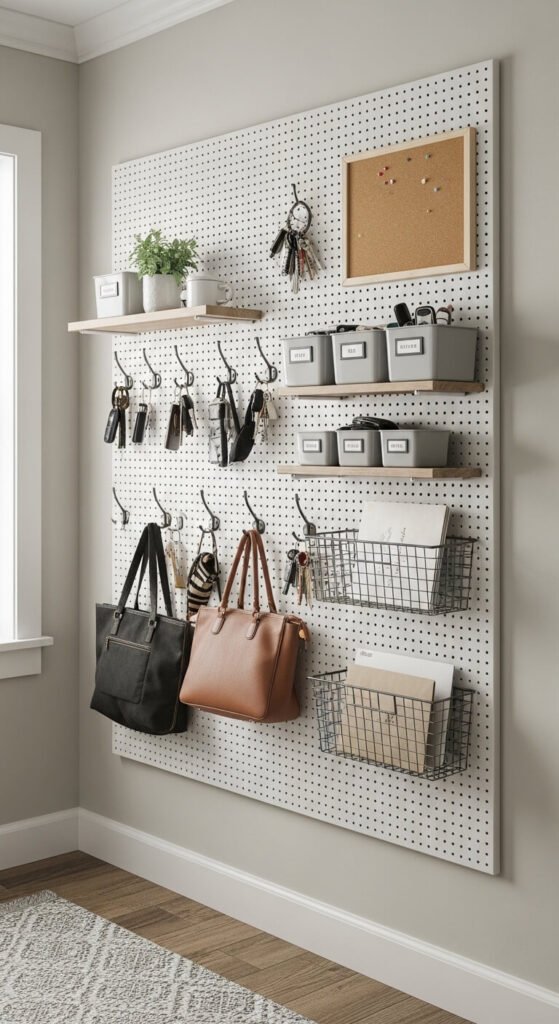
The most flexible command center of all. A pegboard wall system lets you rearrange hooks, shelves, and bins as your household’s needs change. A 2×4 ft pegboard runs about $20 at hardware stores. Paint it any color. Add metal hooks ($5 for a pack), small wooden shelves, wire baskets, and a corkboard square. Rearrange whenever life shifts — a new baby, a move, a new school year. Nothing is permanent, everything is useful, and the whole thing costs under $60.
Conclusion
You don’t need a big house, a big budget, or a weekend renovation to build a command center that actually works. Start with one or two ideas — a calendar, a hook wall, a mail sorter — and build from there. The goal isn’t a perfectly styled Pinterest wall. It’s a system that reduces the small daily frictions that quietly drain your energy. When your household information lives in one visible, organized place, mornings run smoother, things stop getting lost, and you spend less mental energy keeping track of everything. Pick one idea from this list today and put it up this weekend. Small changes compound fast.